





Sandalwood Plant Farming Guide: Turning Nature’s Green Gold into a Profitable Future
Posted by Delight Eco Farms on ·4 min read
Learn what makes sandalwood special, how to cultivate it, legal must‑knows, per‑acre planning, and FAQs — a practical guide to building long‑term wealth.
What Makes the Sandalwood Plant So Special?
The sandalwood plant is often called “green gold” for its fragrant heartwood and essential oils used in perfumery, Ayurveda, rituals, and cosmetics. Unlike most timber, sandalwood appreciates with age, making it a high-value long-term crop for farmers and investors.
What Is Sandalwood, Really?
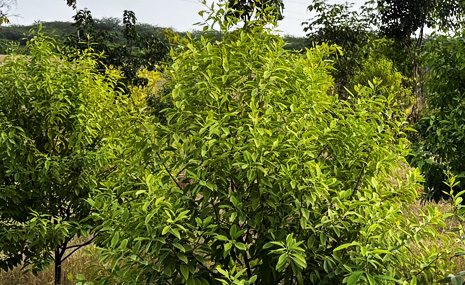
Sandalwood refers to trees of the genus Santalum, most notably Santalum album (white sandalwood or Chandan). Its oily, aromatic heartwood powers incense, Ayurveda, soaps, and luxury perfumes. Medicinally, sandalwood is prized for its cooling and calming benefits, used for skin health, inflammation, and anxiety relief. Its oil has strong domestic and export demand.
Is Chandan Tree Farming the Green Gold Rush?
Yes. Sandalwood is a long-term investment that typically yields saleable heartwood in 12–15 years. A mature tree can fetch significant returns. In Karnataka, with suitable soil and climate, sandalwood farming is both heritage and a modern opportunity.
Sandalwood Farming: Can You Really Build Long-Term Wealth?
Absolutely — with patience. Returns accrue over the long term, while intercropping (pulses, maize, vegetables) provides interim cash flow and improves soil health. Land value itself may also appreciate.
Sandalwood Plantation Guide
- Land: Prefer well-drained red loamy soil; avoid waterlogging.
- Spacing & Density: 400–500 trees per acre is common.
- Host Plants: Being semi-parasitic, sandalwood needs hosts such as pigeon pea or casuarina.
- Maintenance: Ensure timely irrigation, pruning, and pest/disease management.
- Legal: Register crops and follow harvesting approvals based on state rules.
Red Sandalwood Farming
Pterocarpus santalinus (red sandalwood) is lucrative for timber, crafts, and traditional medicine but tightly regulated. With proper approvals and compliance, returns can materialize in 15–20 years.
How Many Sandalwood Trees Can You Grow Per Acre?
Land Size
Approx. Trees
Intercropping Options
1 Acre
400–500
Maize, legumes, pigeon pea
5 Acres
2,000+
Fruit orchards + vegetables
10 Acres
4,000–5,000
Coffee, pepper, mixed farming
This density encourages sustainable growth and maximizes income potential.
Growing Sandalwood Trees in Karnataka
Karnataka remains a leading producer with favorable climate and soils. Follow cultivation, harvest, and sales regulations; government auctions and licensed buyers are the primary sale channels.
How to Plant a Sandalwood Tree
- Always pair saplings with suitable host plants.
- Prepare well-drained pits and add organic manure.
- Irrigate regularly during early years; avoid waterlogging.
- Maintain spacing to reduce competition and disease pressure.
Cost of Sandalwood Plant: Is It Worth It?
Quality saplings typically cost ₹80–₹200. Compared to long-term value from heartwood and oil, initial costs are modest. Healthy trees can yield returns worth lakhs over time.
Types of Sandalwood Plants
- White Sandalwood (Santalum album): Fragrance, oil, cultural value.
- Red Sandalwood (Pterocarpus santalinus): High-value timber, medicinal uses, export demand.
White Sandalwood Farming
More prevalent in Karnataka due to strong oil markets and agro-climatic suitability. With proper care, white sandalwood yields heartwood in 12–15 years, making it a preferred choice for many farmers.
Sandalwood Cultivation in Karnataka: What You Need to Know
- Obtain permissions for planting and felling as per state laws.
- Use intercropping to generate interim income.
- Maintain complete documentation to avoid disputes.
- Plan with a 12–15 year horizon for heartwood formation.
Choosing the Right Land
- Well-drained red loamy or black soils.
- Reliable irrigation access.
- Open sunlight with minimal shade.
- Good connectivity to markets.
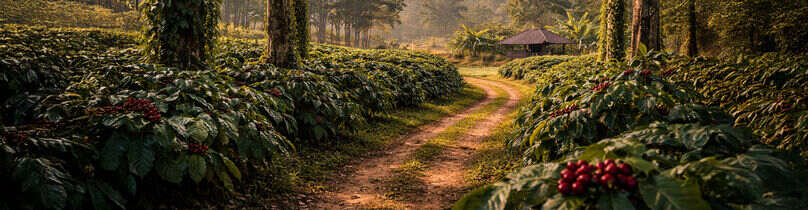
Sandalwood pairs well with coffee and pepper systems in Karnataka, improving diversity and returns.
Medicinal Uses of Sandalwood
- Helps with acne and rashes; natural antiseptic.
- Reduces stress and promotes calmness.
- Used in Ayurveda for digestive and inflammatory issues.
Step-by-Step Sandalwood Cultivation Guide
- Select land with good drainage.
- Prepare pits and mix organic manure.
- Plant saplings with host plants.
- Provide irrigation and basic fertilizers.
- Monitor growth across 12–15 years.
- Obtain harvest permission and sell via legal channels.
Final Thoughts
Rooted in India’s heritage yet commercially powerful today, the sandalwood plant offers generational value. With Karnataka’s favorable conditions, informed growers can transform soil into wealth by choosing the right land, planting quality saplings, following legal steps, and patiently waiting for long-term rewards.