




How Managed Plantations Support Biodiversity
Posted by Delight Eco Farms on ·3 min read

Managed plantations support biodiversity by integrating mixed species, native trees, and layered vegetation, improving soil health, natural pest control, water retention, climate resilience, and long-term farmland sustainability.
Biodiversity is not just an environmental term — it is a key indicator of land health. In agricultural landscapes, biodiversity directly influences soil quality, pest balance, water retention, and long-term sustainability. Managed plantations, when structured properly, can actively support and strengthen biodiversity instead of reducing it.
Understanding this connection helps evaluate farmland beyond surface-level productivity.
What Is Biodiversity in Farmland?
Biodiversity in farmland refers to the variety of:
- Plant species
- Trees and ground cover
- Birds and pollinators
- Soil organisms
- Beneficial insects
A diverse ecosystem creates balance, reducing environmental stress and improving resilience.
Difference Between Monoculture and Managed Plantation
Traditional monoculture farming focuses on growing a single crop repeatedly across large areas. While efficient in the short term, monoculture often reduces biodiversity.
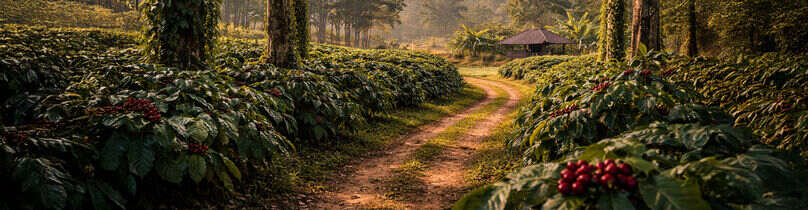
Managed plantations, however, can integrate:
- Mixed tree species
- Natural shade structures
- Native vegetation buffers
- Supporting plant layers
This layered system encourages ecological diversity rather than limiting it.
Role of Shade Trees and Native Species
In managed farmland, shade trees play a critical role.
They:
- Provide habitat for birds
- Support pollinators
- Improve soil organic matter
- Regulate temperature
When native trees are included, the ecosystem becomes more stable and self-sustaining.
Pollinators and Natural Pest Control
Biodiversity attracts beneficial insects and birds that naturally control pest populations.
Healthy ecosystems:
- Reduce dependency on chemical interventions
- Maintain natural balance
- Improve crop health
This biological balance strengthens long-term land sustainability.
Soil Biodiversity and Microbial Health
A managed plantation encourages soil life.
Rich soil biodiversity:
- Enhances nutrient cycling
- Improves soil structure
- Increases moisture retention
- Supports root development
Soil microorganisms form the foundation of long-term agricultural stability.
Water Retention and Ecosystem Balance
Plant diversity improves water management naturally.
Multiple plant layers:
- Reduce surface runoff
- Slow down rain impact
- Support groundwater recharge
This balance protects farmland from both erosion and water stress.
Climate Resilience Through Diversity
Biodiverse plantations are more resilient to climate variability.
When one species faces stress, others may remain stable. This reduces the overall risk of land degradation and supports consistent agricultural performance.
Long-Term Ecological Stability
Managed plantations that integrate biodiversity create:
- Stronger root networks
- Balanced insect populations
- Reduced soil erosion
- Improved environmental sustainability
Over time, this leads to healthier land with lower long-term risk.
Why Biodiversity Matters in Managed Farmland
Farmland should not be evaluated only by immediate output. Land health determines future productivity.
Managed plantations that support biodiversity:
- Protect soil quality
- Enhance environmental stability
- Reduce maintenance challenges
- Improve long-term usability
This approach aligns land management with ecological responsibility.
Summary
Managed plantations can actively support biodiversity when designed with multiple species, native tree integration, and ecological balance in mind. Biodiversity strengthens soil health, natural pest control, water retention, and climate resilience. Farmland that prioritises ecological diversity builds long-term stability and sustainability beyond short-term output.