


Why Farmland Feels Different From Any Other Property You Own
Posted by Delight Eco Farms on ·3 min read
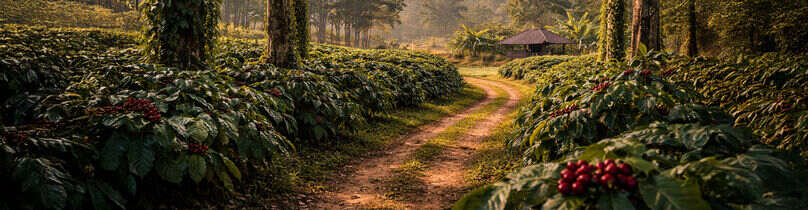
Farmland feels unlike any other property because it is alive, evolving, and responsive to care. It connects ownership with natural cycles, long-term thinking, and active involvement—transforming land from a static asset into a living experience shaped by time and stewardship
Owning property is often seen as a financial milestone. Apartments, villas, plots — each represents stability and growth. But farmland feels different. It does not behave like other properties. It does not sit quietly behind walls or inside concrete boundaries. It changes, breathes, and responds to care.
Farmland is not just something you own — it is something you experience.
It Changes With Time
Most properties remain visually the same unless renovated. Farmland, however, changes continuously.
With each season:
- Soil texture shifts
- Vegetation grows or rests
- Rainfall alters the landscape
- Sunlight changes colour and tone
The land evolves naturally, making ownership dynamic rather than static.
It Requires Attention, Not Just Payment
Urban properties often require maintenance fees and occasional repairs. Farmland requires attention.
You notice:
- How water flows after rain
- How plants respond to sunlight
- How soil behaves during dry periods
This attention builds awareness. Ownership becomes involvement.
It Responds to Care
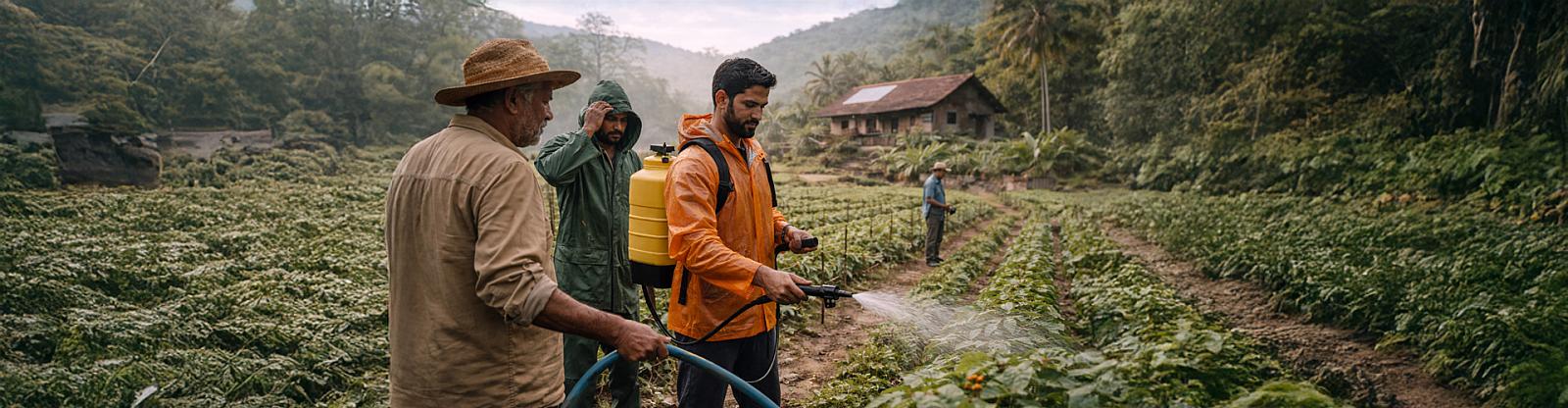
Farmland reflects the effort invested in it.
When maintained well:
- Soil improves
- Trees strengthen
- Biodiversity increases
Neglect shows just as clearly. Unlike buildings, farmland visibly responds to stewardship.
It Connects You to Natural Cycles
Farmland brings awareness of time in a different way.
You begin noticing:
- Monsoon arrival
- Seasonal transitions
- Growth phases
- Dormant periods
This connection to natural cycles creates a grounded sense of reality often missing in urban life.
It Offers Space Beyond Boundaries
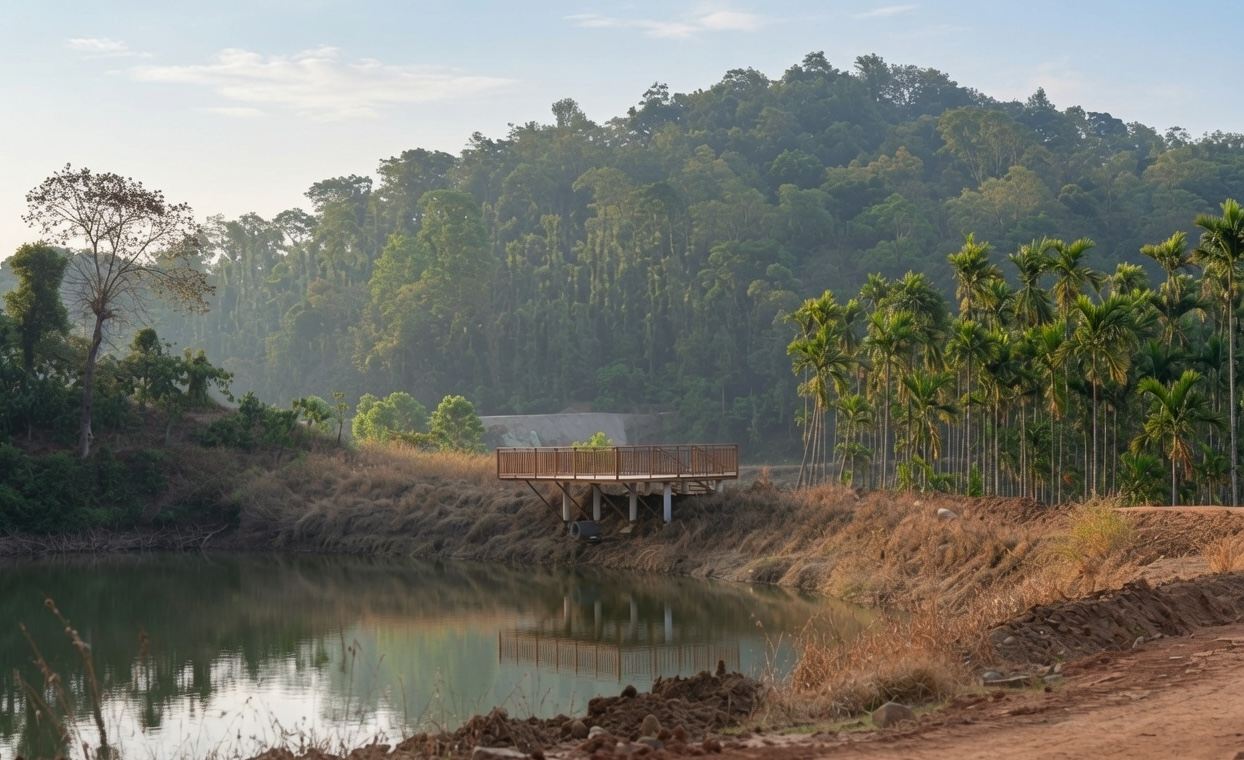
Most properties define space within constructed limits. Farmland offers open horizons.
Instead of walls and corridors, there is:
- Open sky
- Expensive views
- Natural light
This openness changes how space feels — less confined, more expensive.
It Encourages Long-Term Thinking
Urban properties often focus on resale value or rental income. Farmland naturally encourages longer-term perspectives.
You think about:
- Soil quality over years
- Tree growth across decades
- Land health for future use
Ownership becomes about preservation as much as value.
It Feels Alive
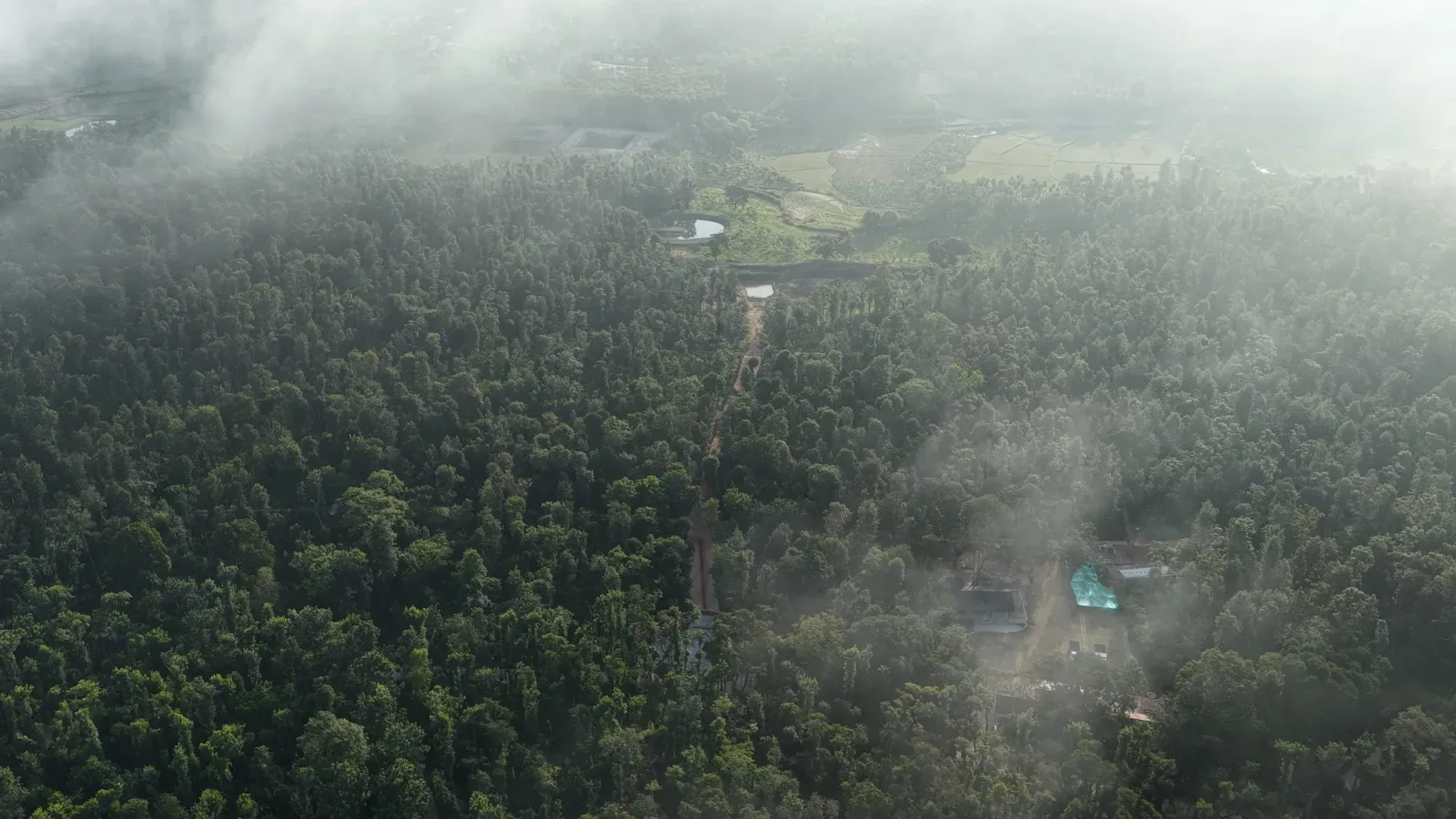
Perhaps the biggest difference is this: farmland feels alive.
There are:
- Birds and insects
- Wind movement
- Seasonal scents
- Changing textures
It is not static infrastructure — it is a living landscape.
It Changes Your Relationship With Ownership
Owning farmland shifts your mindset.
Instead of asking:
“How much is it worth today?”
You begin asking:
“How healthy will it be tomorrow?”
“What will it look like in ten years?”
This subtle shift changes how ownership feels.
Summary
Farmland feels different from other properties because it evolves, responds, and lives. It connects ownership to responsibility, space to openness, and time to natural cycles. Unlike static assets, farmland grows and changes with care. This dynamic nature makes it not just a property but an ongoing experience shaped by stewardship and patience.