





Managed Farmland Near Sakleshpur
Posted by Delight Eco Farms on ·2 min read
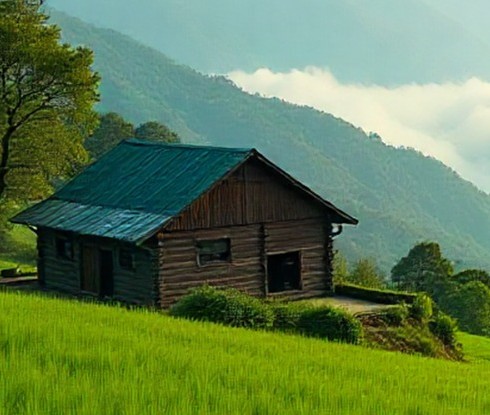
Managed farmland near Sakleshpur offers Western Ghats climate advantages, fertile soil, plantation-friendly terrain, and structured agricultural management for long-term sustainability.
Western Ghats Climate
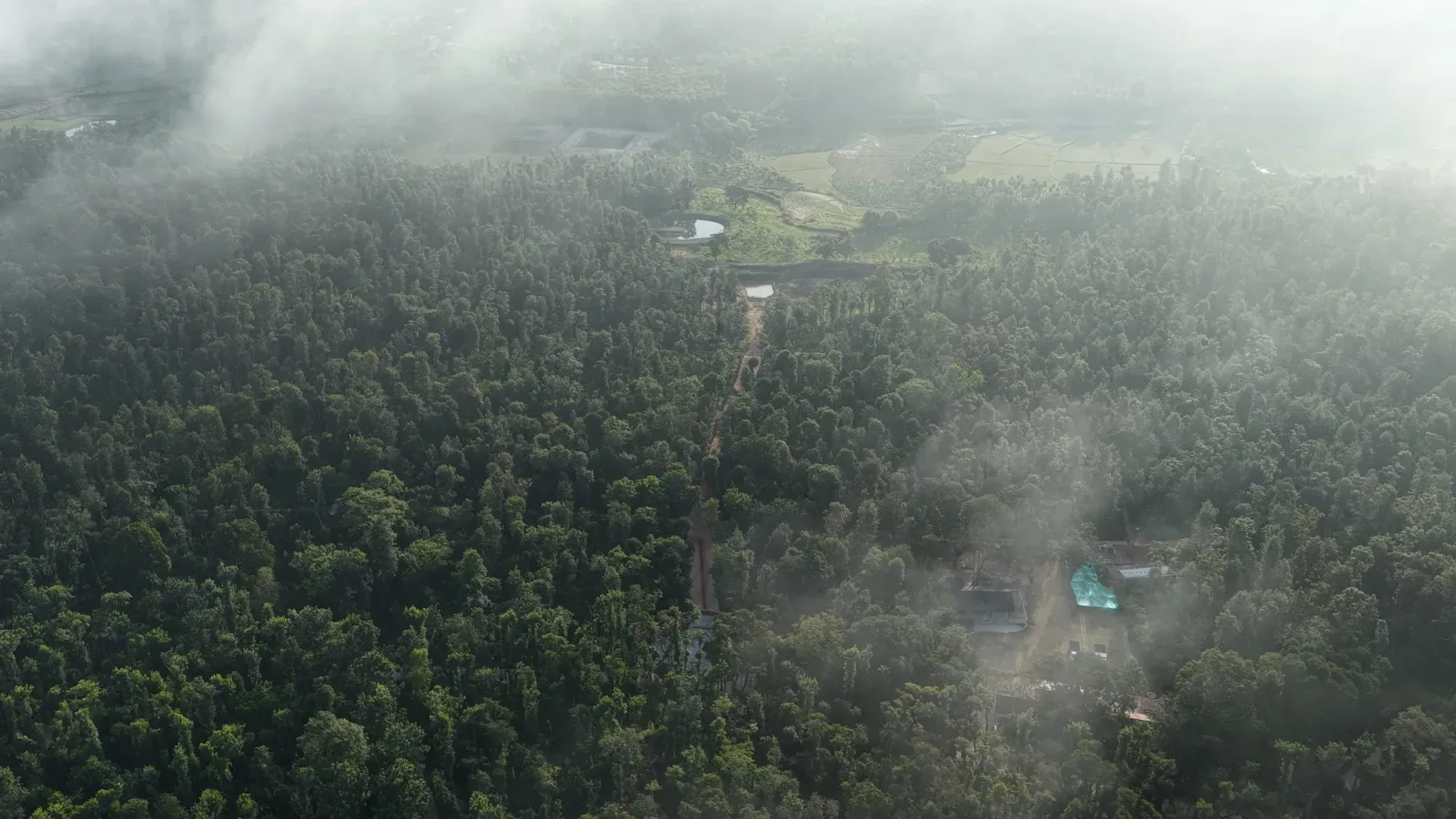
Sakleshpur receives steady rainfall, maintaining year-round moisture and supporting dense vegetation. The temperatures stay cooler compared to Bangalore, creating a stable environment for long-term plantation growth. The climate naturally supports crops such as coffee, pepper, arecanut, fruits, and several spice varieties.
Soil Profile
The area is dominated by red loamy soil, known for good drainage, aeration, and mineral balance. This makes it suitable for deep-root plantations and shade-grown farming. In some areas, laterite soil appears along slopes, contributing to multi-layered farming systems.
Terrain Characteristics
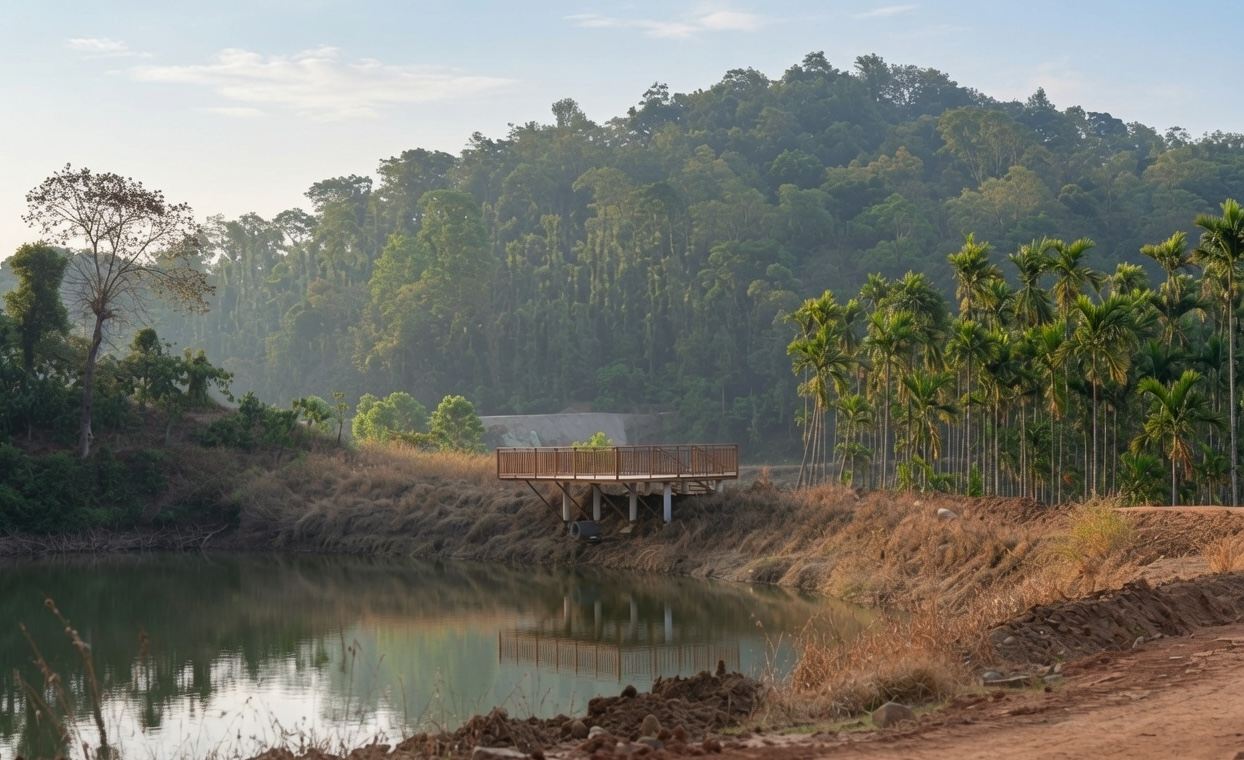
The region includes hilly gradients, gentle slopes, and naturally shaded zones, all of which form an ideal setting for plantations. The landscape supports intercropping, natural water flow, and soil retention, reducing the need for artificial land modification.
What “Managed Farmland” Means in This Region
In Sakleshpur, managed farmland refers to land where agricultural activities, plantation upkeep, and ecosystem maintenance are handled through structured management practices. These typically include:
- Soil enrichment
- Plantation cycles
- Irrigation management
- Shade tree maintenance
- Basic land care
- Seasonal agricultural routines
These systems follow the natural rhythm of the Western Ghats environment, allowing plantations to grow without heavy chemical or industrial intervention.
Connectivity to Bangalore
Sakleshpur is located along the Bangalore–Mangalore route, making it accessible while still maintaining a distinctly Western Ghats ecosystem. This position allows it to function as a farmland zone that remains naturally insulated from city expansion, preserving its agricultural identity.
Regional Agricultural Identity
For decades, Sakleshpur has been recognised as part of Karnataka’s coffee belt. The combination of rainfall, altitude, soil, and biodiversity creates a microclimate well-suited for plantation agriculture. Managed farmland practices here are built on this agricultural foundation, maintaining traditional crops while adapting to structured care models.