

Farmland Near Sakleshpur: Why the Western Ghats Matter
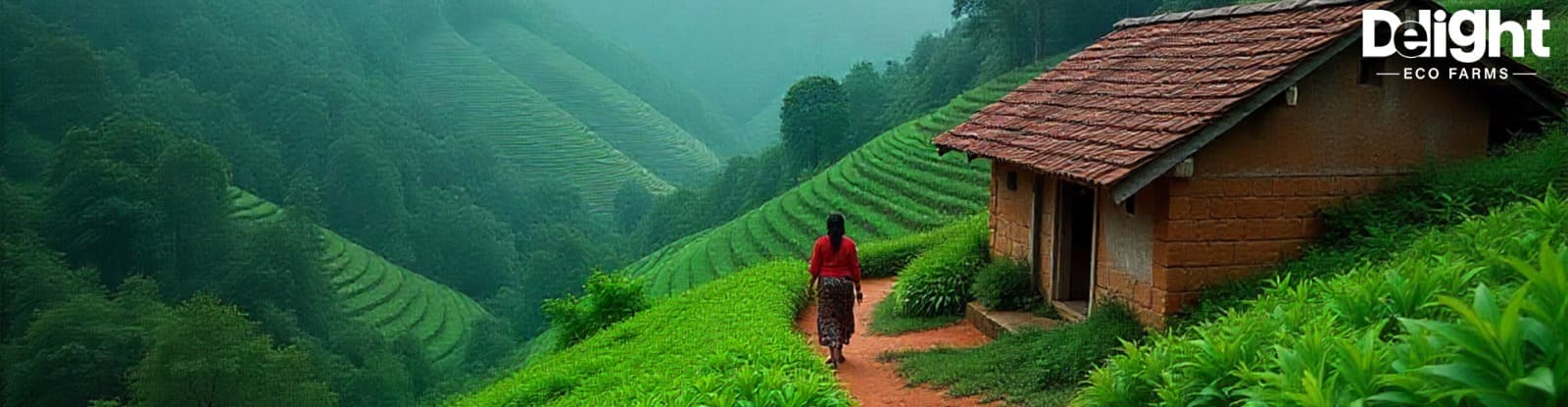
Sakleshpur stands apart from many farmland regions in Karnataka due to its unique location within the Western Ghats. Unlike dry or semi-arid belts near Bangalore, Sakleshpur benefits from high rainfall, dense greenery, and a naturally balanced ecosystem. These characteristics make farmland near Sakleshpur fundamentally different in terms of soil health, water availability, and long-term sustainability.
Understanding the role of the Western Ghats is key to understanding why this region holds long-term agricultural importance.
Sakleshpur’s Location in the Western Ghats
Sakleshpur is located in the Hassan district of Karnataka and forms part of the Western Ghats mountain range. This positioning gives the region natural advantages that are not artificially created through irrigation or infrastructure.
The Western Ghats act as a climate regulator, influencing rainfall patterns, temperature stability, and ecological balance across the region.
Higher and More Reliable Rainfall
One of the most important benefits of farmland near Sakleshpur is consistent and higher rainfall.
Key rainfall advantages include:
● Long monsoon duration
● Natural groundwater recharge
● Reduced dependency on borewells
● Support for perennial plantations
This natural water cycle makes farmland more resilient during dry seasons.
Rich Soil Formed Over Time
Soil in the Sakleshpur region is largely influenced by forest activity and organic decomposition.
Common soil characteristics include:
● Rich organic content
● Better moisture retention
● Improved microbial activity
● Lower erosion when managed properly
Such soil conditions are ideal for long-term plantation-based agriculture.
Natural Suitability for Plantation Farming
Sakleshpur is traditionally known for coffee and spice plantations.
Farmland in this region naturally supports:
● Coffee plantations
● Pepper and spice cultivation
● Fruit orchards
● Agroforestry systems
The Western Ghats climate allows these crops to grow steadily with less artificial intervention.
Cooler Microclimate and Temperature Stability
Unlike dry farmland regions, Sakleshpur experiences:
● Cooler daytime temperatures
● Mild nights
● Reduced heat stress on plants
This stable microclimate improves plant health and reduces water loss through evaporation.
Biodiversity and Ecological Balance
The Western Ghats are one of the world’s biodiversity hotspots.
Farmland near Sakleshpur benefits from:
● Natural pest control through biodiversity
● Healthy pollination cycles
● Balanced ecosystems that support long-term soil fertility
This reduces dependence on chemical inputs when farming practices are sustainable.
Water Conservation and Natural Drainage
Natural slopes and forest cover help regulate water movement.
Advantages include:
● Reduced waterlogging
● Natural drainage channels
● Groundwater recharge support
Farmland in Sakleshpur often requires less engineered water management compared to flat, dry regions.
Long-Term Sustainability Over Short-Term Yield
Western Ghats farmland prioritises sustainability over rapid extraction.
Land here improves with time when managed responsibly, making it suitable for:
● Long-term agriculture
● Plantation growth
● Ecologically sensitive land use
This makes Sakleshpur farmland particularly relevant for future-focused land ownership.
Summary
Farmland near Sakleshpur benefits directly from its location in the Western Ghats. Higher rainfall, rich soil, a cooler climate, and a strong ecological balance create a naturally sustainable farming environment. Unlike dry regions that rely heavily on artificial inputs, Sakleshpur’s farmland works in harmony with nature, making it one of Karnataka’s most resilient agricultural regions for long-term land use.