

Rainy Season on a Farm Plot in the Western Ghats: What to Know Before You Buy
Understanding the Climate Before You Invest
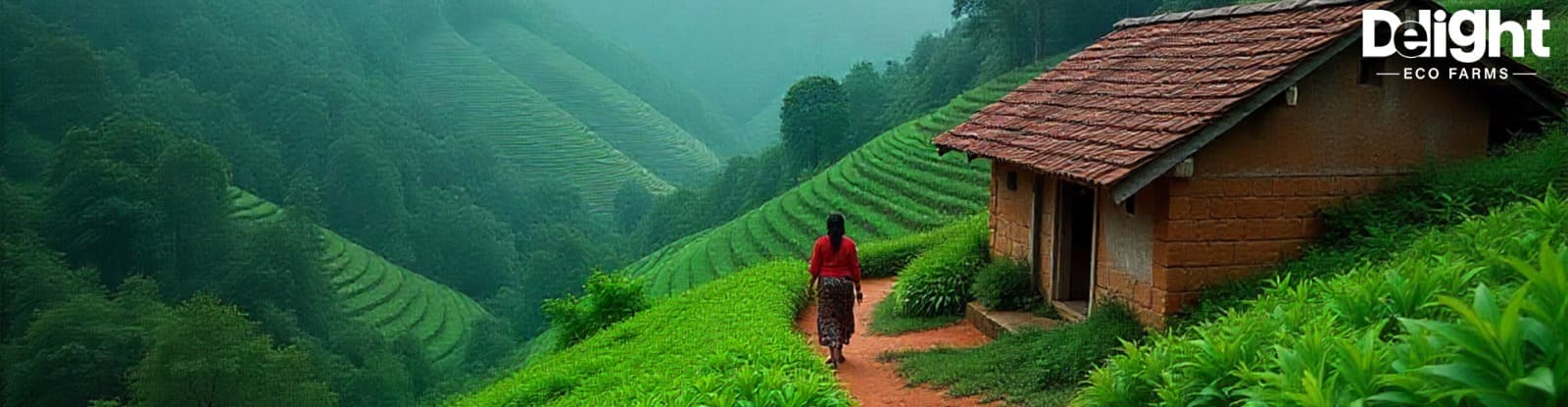
The Western Ghats are known for their lush greenery, rolling hills and consistent monsoon cycles. Regions like Sakleshpur receive generous rainfall every year, which contributes to their rich natural ecosystems and agricultural potential. However, if you are planning to buy a farm plot in this region, especially for long-term living or managed farming, it is important to understand how the rainy season shapes the land, infrastructure and lifestyle.
This is not a disadvantage. In fact, when planned well, the monsoon can be one of the biggest strengths of a farmland investment here. The key is knowing what to look for before you finalize the plot.
The Role of Rainfall in Land Quality
The Western Ghats receive steady monsoon rain from June to September. This rainfall nourishes the soil, improves groundwater levels, maintains natural greenery and creates ideal conditions for crops such as coffee, cardamom, pepper and seasonal fruits.
However, rainfall also highlights the real quality of soil and land layout. A good farmland project will show:
- Proper water percolation into the ground, not waterlogging.
- Healthy topsoil that retains nutrients.
- Natural elevation or smart grading to prevent runoff.
- Access to natural streams or managed water storage points.
Before buying, check how the land behaves during or just after the rains. This tells you more than any brochure can.
Access and Roads Matter More During Monsoon
The scenic beauty of the Ghats often comes with varying road conditions. When buying a plot, observe how easily the site can be reached during rainy months.
Important things to assess:
- Road access leading to the project and within the project.
- Whether the approach is a gravel road, tar road or internal layout road.
- Drainage systems built along the pathways.
- Slopes and turns on hilly stretches.
Well-planned farmland communities include strong internal roads and water-drainage systems so that monsoon weather never disrupts accessibility.
Water Management Infrastructure is Key
Heavy rainfall is only an advantage when water is managed. Look for:
- Rainwater harvesting systems
- Borewell sustainability and recharge structures
- Natural catchment areas
- Check dams or storage ponds
These systems ensure stable water availability throughout the year, not just during monsoon months. Efficient water management is often the difference between a scenic property and a productive one
Lifestyle During Monsoon: What to Expect
If you plan to build a weekend home or stay regularly, monsoon here can be refreshing, peaceful and visually beautiful. You wake up to mist, the sound of rain, fresh air and green surroundings.
However, practical considerations include:
- Keeping walkways from becoming slippery
- Choosing weather-resistant construction materials
- Ensuring proper roof slope and water runoff planning
- Securing outdoor electrical fixtures
A well-designed farm home can be incredibly cozy during the rainy season—it just needs thoughtful planning.
Managed Farmland Makes a Difference
For buyers who love the idea of farm life but can’t manage it full-time, managed farmland projects reduce the complexity significantly. Teams handle:
- Plantation care
- Water systems
- Soil maintenance
- Property security
- Infrastructure upkeep
This is especially valuable during monsoons, when land requires more attention.
Conclusion
The rainy season is not something to avoid when considering farmland in the Western Ghats—it is one of the region’s greatest strengths. With the right planning, layout and management, the monsoon enhances land value, farming potential and quality of life.
Before buying, visit the land during or after the rains, understand how water flows through the property and check the quality of infrastructure in place. If these factors are thoughtfully designed, owning a farm plot here can offer long-term natural, lifestyle and investment benefits.