





Why Kanakapura Is Emerging as a Farmland Hotspot
Posted by Delight Eco Farms on ·3 min read

Kanakapura is emerging as a farmland hotspot near Bengaluru due to fertile soil, better rainfall, reliable water sources, plantation-friendly climate, and controlled development—ideal for long-term sustainable agricultural land ownership.
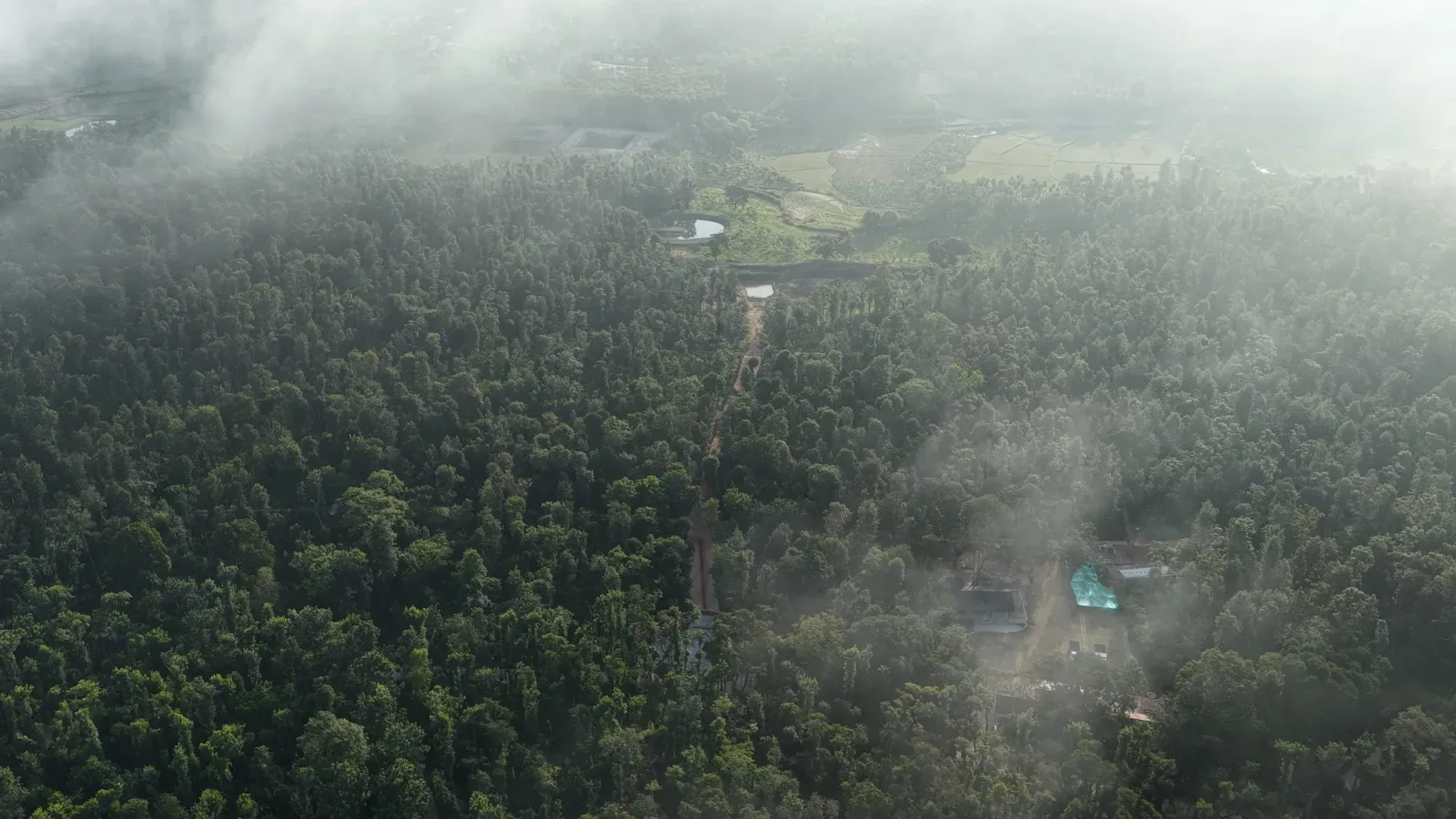
Kanakapura is increasingly being recognised as one of the most promising farmland regions near Bengaluru. Located to the south of the city, this region combines favourable geography, better water availability, and controlled development, making it well suited for long-term agricultural land use. Unlike heavily urbanised corridors, Kanakapura continues to retain its rural character while supporting sustainable farmland activity.
This growing interest is driven by practical land characteristics rather than short-term trends.
Strategic Location South of Bengaluru
Kanakapura lies approximately 55–65 km south of Bengaluru and is connected via Kanakapura Road and NICE Road extensions. Its location places it outside high-density urban expansion zones while still remaining accessible from the city.
The southern corridor benefits from:
- Lower congestion compared to northern regions
- Gradual, planned infrastructure growth
- Strong agricultural surroundings
This balance of accessibility and isolation makes Kanakapura attractive for farmland use.
Favourable Soil Conditions
Farmland near Kanakapura predominantly features:
- Red loamy soil
- Fertile soil patches near water bodies
- Good soil depth for plantation crops
These soil conditions support long-term agriculture and respond well to organic soil improvement practices. With proper management, soil fertility can be sustained and enhanced over time.
Better Rainfall and Natural Water Availability
One of Kanakapura’s strongest advantages is its relatively better rainfall compared to many parts of North Bengaluru.
Key benefits include:
- Consistent monsoon patterns
- Improved groundwater recharge
- Natural moisture retention in soil
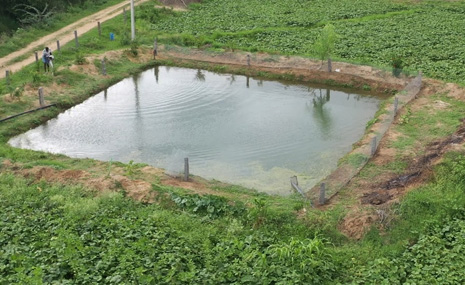
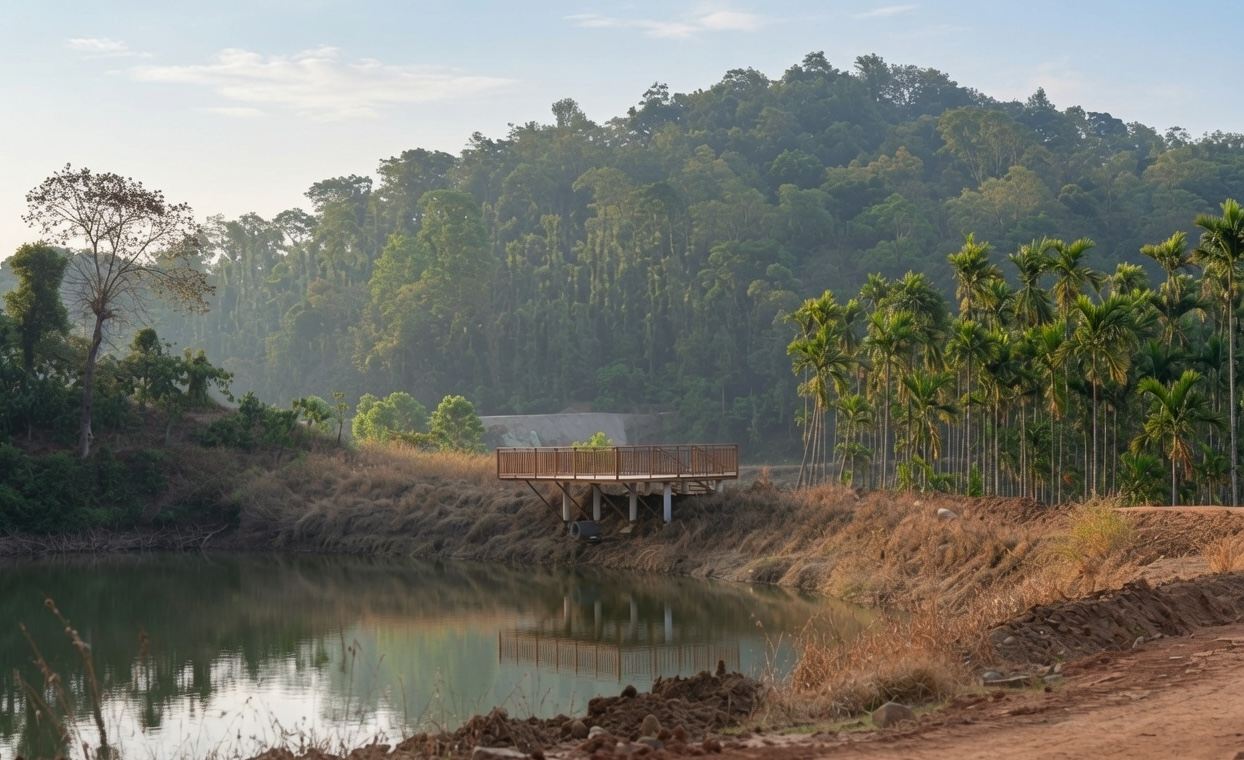
The region is also influenced by nearby river systems and reservoirs, which support long-term water availability when combined with rainwater harvesting and recharge systems.
Suitable for Plantation-Based Agriculture
Kanakapura’s climate and soil make it ideal for plantation-focused farming rather than short-term crops.
Common agricultural practices include:
- Fruit orchards
- Agroforestry systems
- Mixed plantations
- Native tree cultivation
These plantation models grow steadily and align well with the region’s environmental conditions.
Stable Environment and Microclimate
Tree cover, open land, and water bodies contribute to a stable microclimate in Kanakapura. Compared to urban regions, farmland here experiences:
- Cooler temperatures
- Lower noise levels
- Better air quality
Such conditions support both agricultural productivity and long-term land health.
Controlled Development Pressure
While Kanakapura is gaining attention, development pressure remains relatively controlled compared to other corridors around Bengaluru. Agricultural land still dominates large portions of the region, helping preserve its farmland identity.
Evaluating zoning regulations and long-term regional plans remains important, but the pace of urban intrusion is currently moderate.
Long-Term Agricultural Sustainability
Farmland near Kanakapura supports sustainable agricultural use when combined with:
- Proper water management
- Soil conservation practices
- Plantation-based farming models
This makes the region suitable for long-term land use rather than short-term exploitation.
Summary
Kanakapura is emerging as a farmland hotspot due to its strategic location south of Bengaluru, fertile soil, better rainfall, strong water availability, and balanced development pace. Its ability to support plantation-based agriculture and sustainable land use makes it one of the most practical farmland regions near the city. As interest in structured farmland continues to grow, Kanakapura stands out for its long-term agricultural potential.