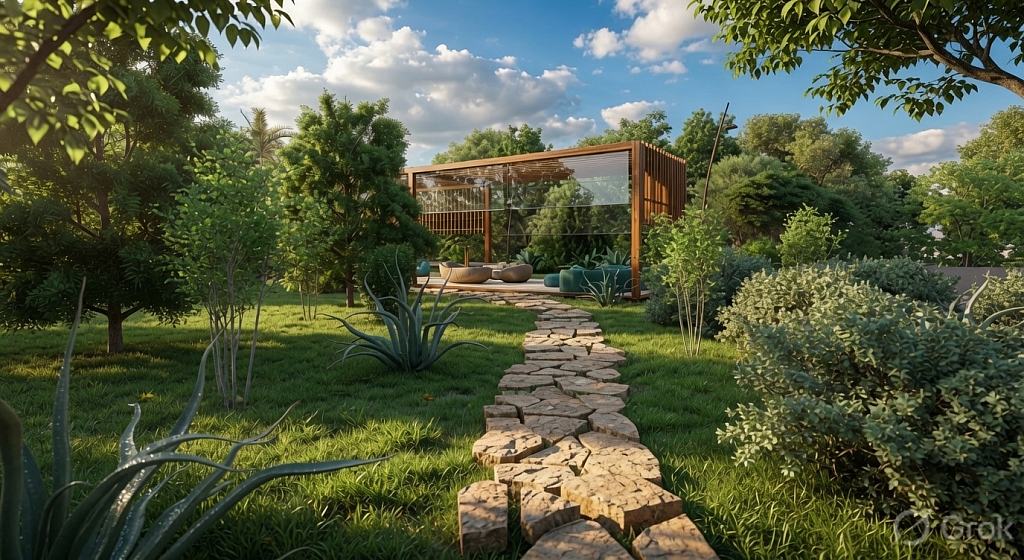




Farm Living for Families: What to Expect
Posted by Delight Eco Farms on ·3 min read

Farm living offers families a healthier, slower-paced lifestyle with open space, cleaner surroundings, and meaningful connections to nature. It supports children’s physical and emotional well-being, encourages learning through real-life experiences, and strengthens family bonds—while still allowing access to essential services and flexible living options.
As families look for healthier environments beyond crowded cities, farm living is gaining attention as a long-term lifestyle choice. Farmland offers open space, cleaner surroundings, and a closer connection to nature. However, farm living is different from urban life, and understanding what to expect helps families make informed decisions.
This blog explores what family life on or around farmland realistically looks like.
More Space, Less Congestion
One of the biggest changes families experience is space.
Farm living offers:
- Open land instead of compact apartments
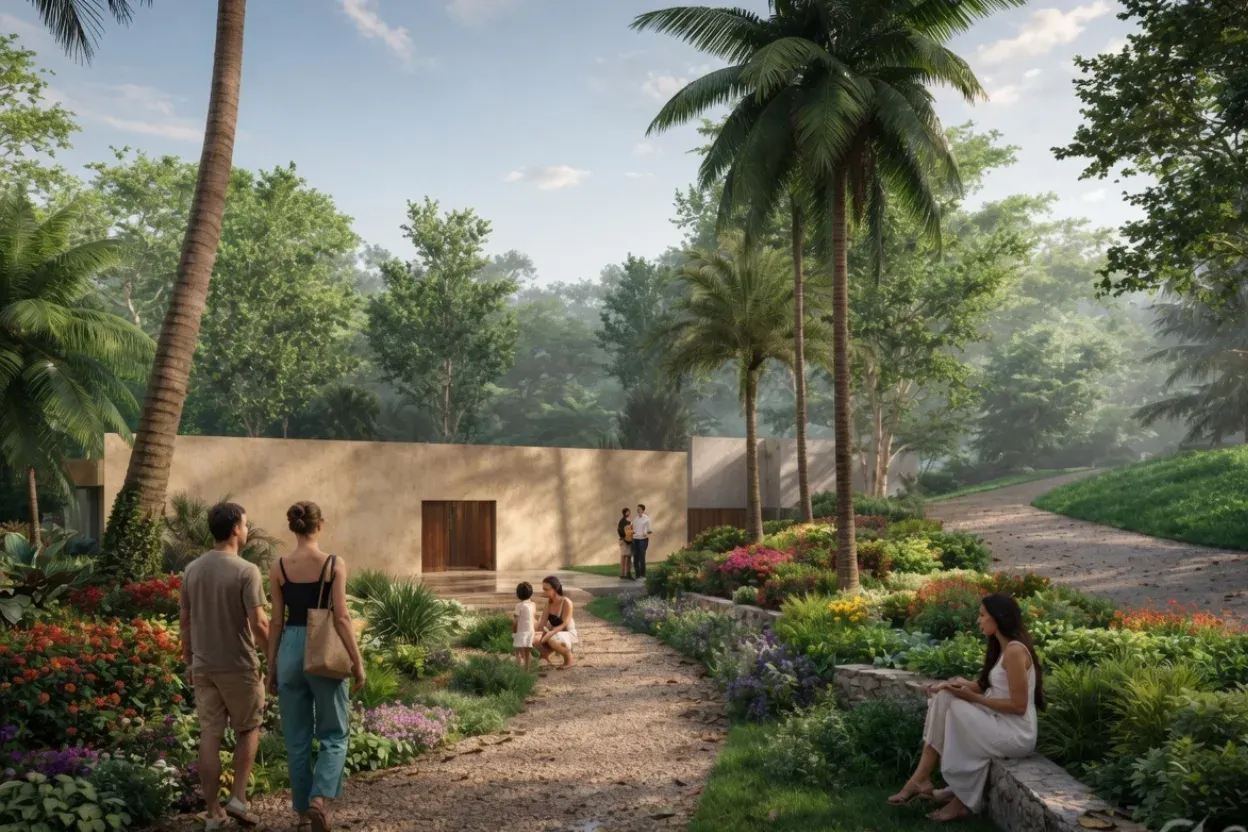
- Safer outdoor areas for children
- Less noise and visual clutter
Children have room to move freely, explore, and play without constant supervision concerns common in urban settings.
Healthier Environment for Children
Farm environments generally support better physical and mental health.
Benefits include:
- Cleaner air
- Reduced exposure to pollution
- More natural sunlight
- Opportunities for outdoor activity
Regular exposure to nature supports stronger immunity, better sleep patterns, and improved overall well-being for children.
Learning Through Nature
Farm living naturally encourages experiential learning.
Children learn about:
- Plant growth and seasons
- Food sources and agriculture
- Responsibility through simple farm activities
- Respect for nature and resources
This type of learning builds awareness and patience that formal classrooms often cannot provide alone.
Slower, More Balanced Daily Routine
Farm life follows a calmer pace compared to city schedules.
Families often notice:
- Reduced screen time
- More family interaction
- Earlier sleep cycles
- Less daily stress
A slower rhythm allows families to spend more quality time together.
Safety and Supervision Considerations
While farms offer freedom, safety planning is important.
Families should consider:
- Proper fencing and boundaries
- Safe storage of tools and equipment
- Supervised access to water bodies
- Child-friendly zones within the land
With basic planning, farms can be both safe and enriching for children.
Access to Essentials and Connectivity
Modern farm living does not mean isolation.
Many farmland locations today offer:
- Reasonable road connectivity
- Access to schools, healthcare, and markets
- Mobile and internet connectivity
Families can balance rural living with access to essential services.
Social Interaction and Community Life
Farm living may feel quieter, but it often encourages deeper social connections.
Families benefit from:
- Smaller, close-knit communities
- Stronger neighbour relationships
- Shared cultural and local activities
Community bonds tend to be more personal and supportive.
Flexibility Without Full Relocation
Farm living does not always require moving full-time.
Many families choose:
- Weekend farm stays
- Seasonal visits
- Managed farmland models
This flexibility allows families to experience farm life without fully leaving urban responsibilities.
Long-Term Family Benefits
Over time, farm living supports:
- Healthier lifestyle habits
- Stronger family bonds
- Greater environmental awareness
- Long-term emotional well-being
These benefits grow gradually and sustainably.
Summary
Farm living offers families space, health benefits, learning opportunities, and a slower pace of life. While it requires safety planning and adjustment, the overall experience supports physical well-being, mental balance, and stronger family connections. With proper location choice and planning, farmland can provide families with a healthier and more meaningful lifestyle.