


What Is the Miyawaki Method and Can It Be Applied in Farmland?
Posted by Delight Eco Farms on ·3 min read

The Miyawaki method is a fast-growing, dense plantation technique using native species to create self-sustaining forests. When applied strategically in farmland, it improves soil health, biodiversity, and water retention without affecting core agricultural use.
In recent years, you might have come across the term “Miyawaki forest” or “Miyawaki method”—especially in discussions around sustainability and green development. It’s often associated with fast-growing, dense forests that can transform empty land into a green ecosystem in a short span of time.
But what exactly is the Miyawaki method? And more importantly, does it make sense for farmland?
What Is the Miyawaki Method?
The Miyawaki method is a plantation technique developed by Japanese botanist Akira Miyawaki. The idea is simple but powerful: grow a dense forest using native plant species, allowing it to develop naturally with minimal long-term intervention.
Instead of planting trees far apart like traditional methods, this approach focuses on the following:
- High-density planting
- Use of native species
- Layered vegetation (shrubs, small trees, tall trees)
- Fast initial growth
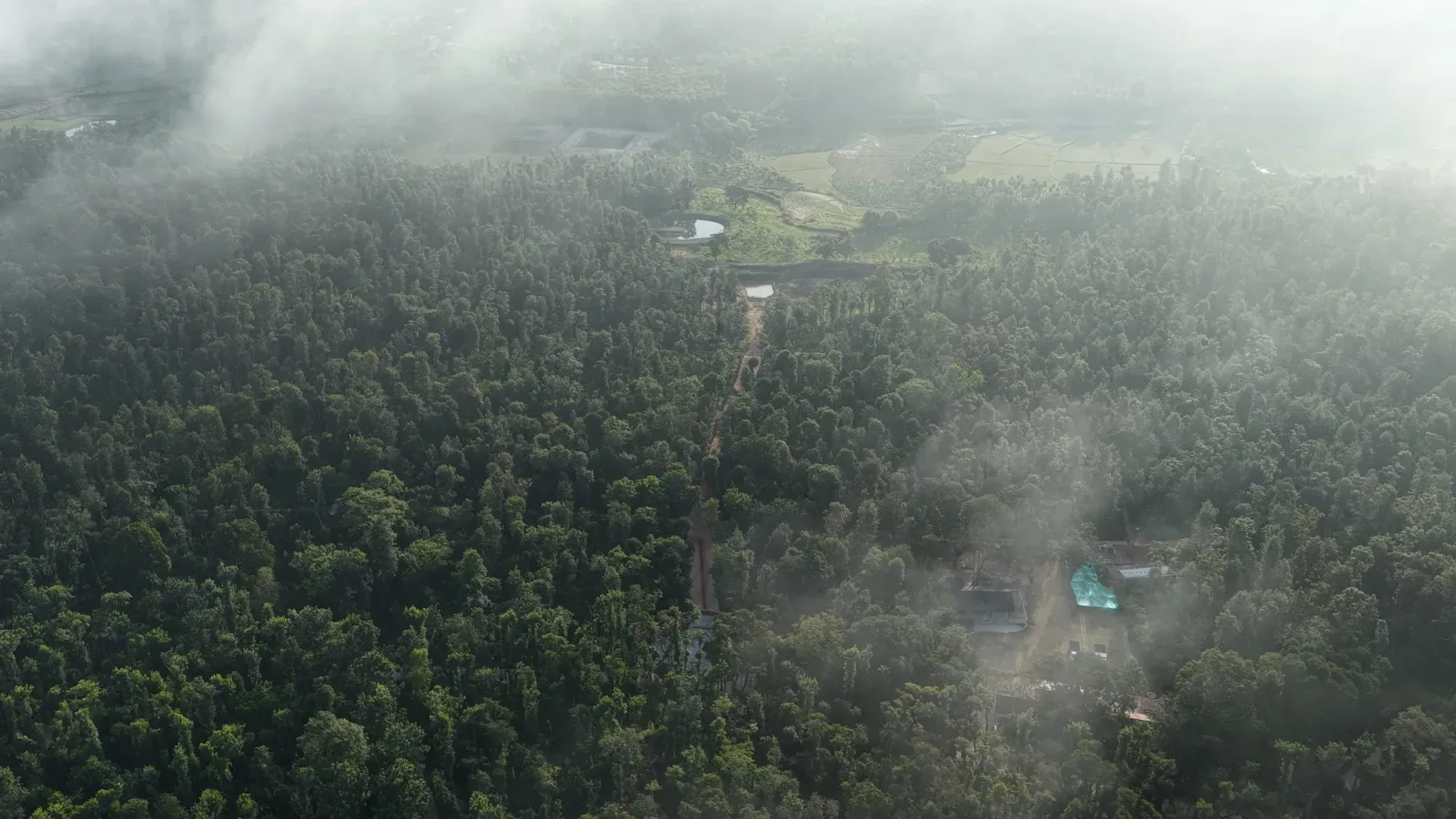
Because of this structure, Miyawaki forests can grow up to 10 times faster than conventional plantations and become self-sustaining within a few years.
Why Is the Miyawaki Method Gaining Popularity?
The method is widely used in urban areas to create small forests quickly. But its appeal goes beyond just greenery.
People are adopting it because it helps:
- Restore degraded land
- Improve air quality
- Increase biodiversity
- Support groundwater recharge
In a world where land is rapidly losing its natural cover, this method offers a way to rebuild ecosystems faster.
Can the Miyawaki Method Be Used in Farmland?
This is where things get interesting.
The short answer is yes,but with purpose.
Miyawaki is not meant to replace farming or plantations like coffee, pepper, or fruit crops. Instead, it works best as a supporting element within farmland.
Where Miyawaki Fits in Farmland
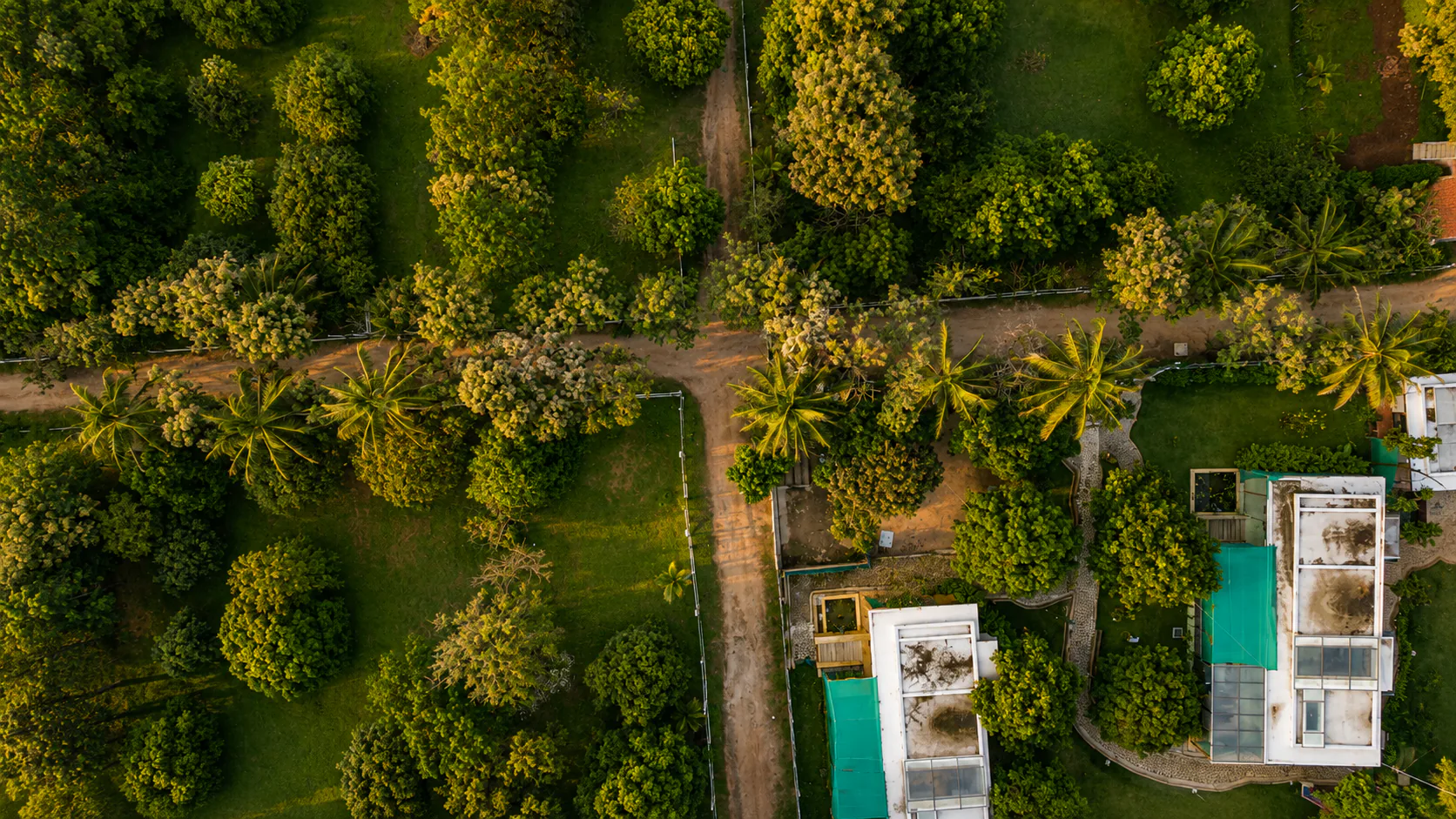
Rather than using it across the entire land, it can be applied in specific zones such as the following:
- Boundary areas
- Unused patches of land
- Buffer zones between plots
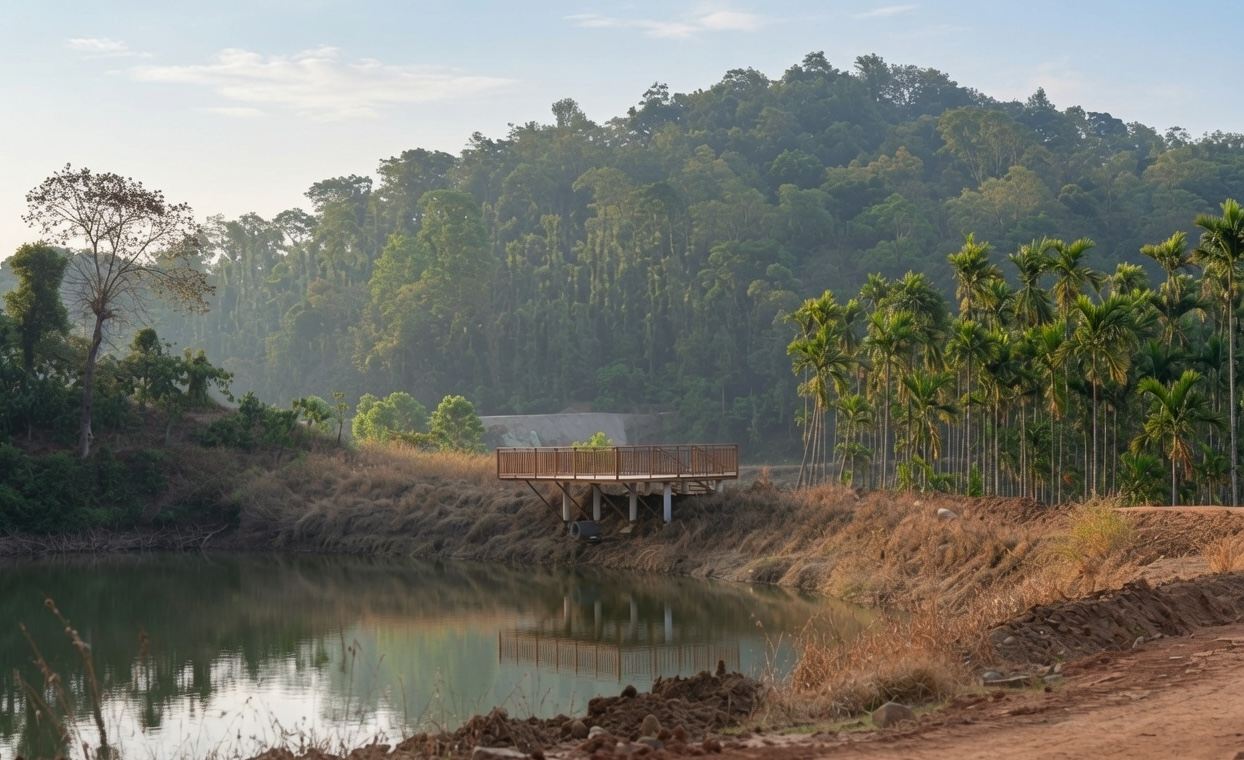
- Near water bodies
In these areas, a dense native forest can improve the overall ecological balance of the farmland.
Benefits of Miyawaki in Farmland
When used correctly, the Miyawaki method can add real value to farmland.
1. Improves Soil Health
Dense plantations create organic matter through leaf fall, which enriches the soil naturally over time.
2. Supports Biodiversity
It attracts birds, insects, and pollinators that contribute to a balanced ecosystem.
3. Enhances Microclimate
Tree density helps reduce temperature, retain moisture, and create a more stable growing environment.
4. Strengthens Water Retention
Roots improve water absorption and reduce runoff, especially during heavy rains.
When Miyawaki May Not Be Suitable
It’s important to understand that this method is not ideal for every part of farmland.
It may not work well:
- In active cultivation zones
- Where structured plantation spacing is required
- In areas meant for mechanised farming
Because of its dense nature, it limits accessibility and sunlight penetration—both important for agricultural operations.
Miyawaki vs Traditional Plantation
There’s often confusion between Miyawaki forests and regular farming or plantation methods.
The key difference is the following:
- Miyawaki focuses on ecosystem creation
- Traditional farming focuses on productivity and yield
Both serve different purposes, and in a well-planned farmland, they can complement each other.
The Right Way to Think About It
Instead of asking, “Should I use Miyawaki in my farmland?”
A better question is
"Wherecan Miyawaki improve the land without affecting its core purpose?”
When used thoughtfully, it becomes a tool for long-term sustainability rather than just a trend.
Summary
The Miyawaki method is a powerful way to create dense, native forests quickly. While it is not designed to replace agriculture, it can enhance farmland by improving soil health, biodiversity, and microclimate when applied in the right areas. As farmland development evolves, integrating such ecological methods can help create land that is not just productive but also sustainable.