


What Makes a Farm “Self-Sustaining” Over Time?
Posted by Delight Eco Farms on ·2 min read

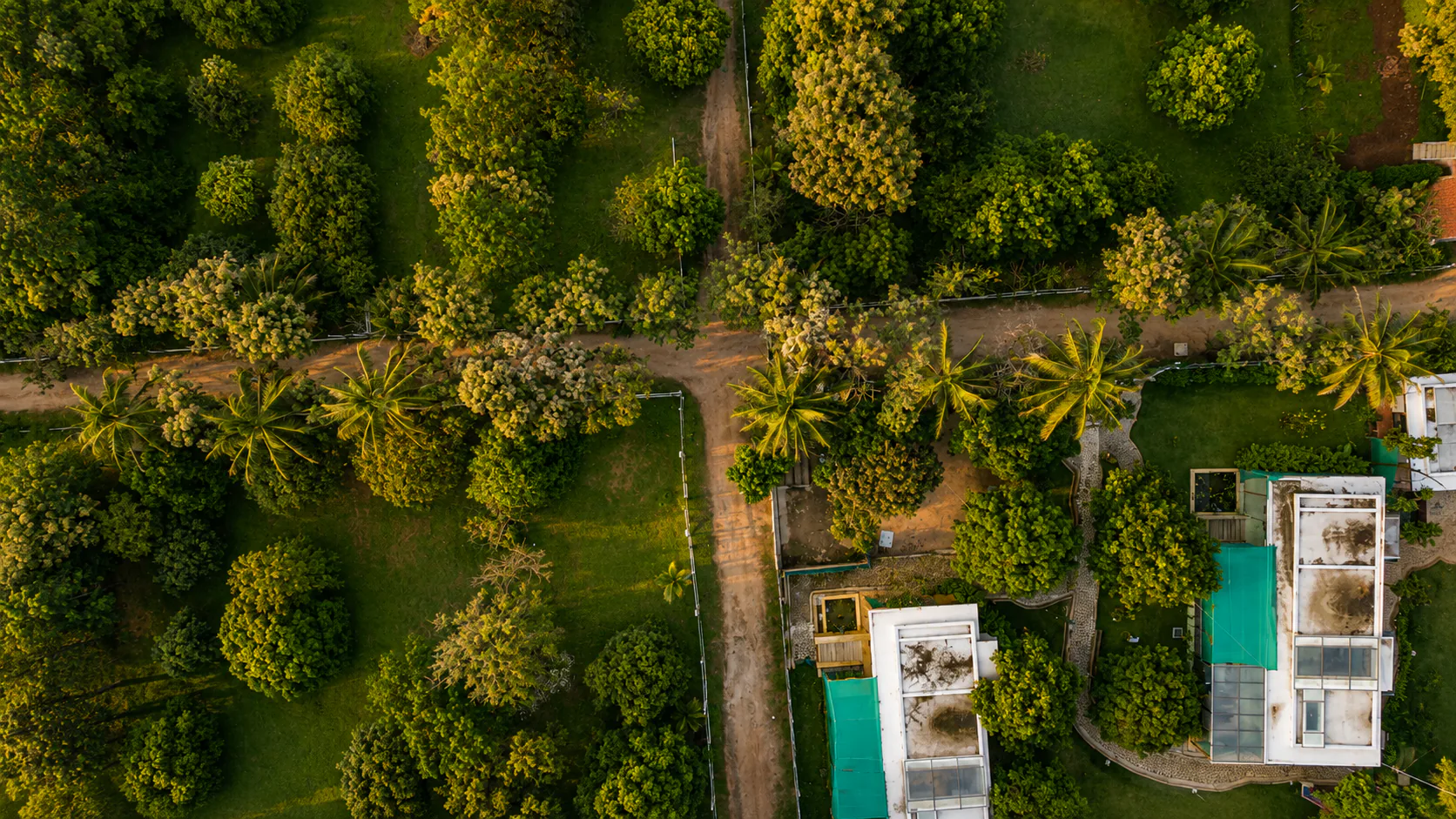
A self-sustaining farm is designed to support itself over time by improving soil health, managing water efficiently, and maintaining ecological balance. It reduces dependency on external inputs while ensuring long-term land stability and productivity
A lot of people use the term “self-sustaining farm", but not everyone understands what it actually means. It’s not about a farm that runs without any effort. Instead, it’s about a system where the land supports itself more and more over time.
A truly self-sustaining farm doesn’t depend heavily on constant external input — it works with nature, not against it.
What Does “Self-Sustaining” Really Mean?
A self-sustaining farm is one where:
- Soil maintains its fertility naturally
- Water is managed and retained efficiently
- Plant life supports long-term growth
- The ecosystem remains balanced
It’s not zero maintenance — but it’s low dependency.
It Starts With Soil Health
Everything begins with the soil.
Healthy soil:
- Holds nutrients better
- Supports microbial life
- Retains moisture naturally
When soil is strong, the farm needs fewer external inputs like chemical fertilisers or frequent corrections.
Water Planning Is Key
A self-sustaining farm doesn’t rely only on external water sources.
Instead, it focuses on:
- Rainwater harvesting
- Natural drainage systems
- Groundwater recharge
The goal is to capture and retain water within the land.
Role of Trees and Vegetation
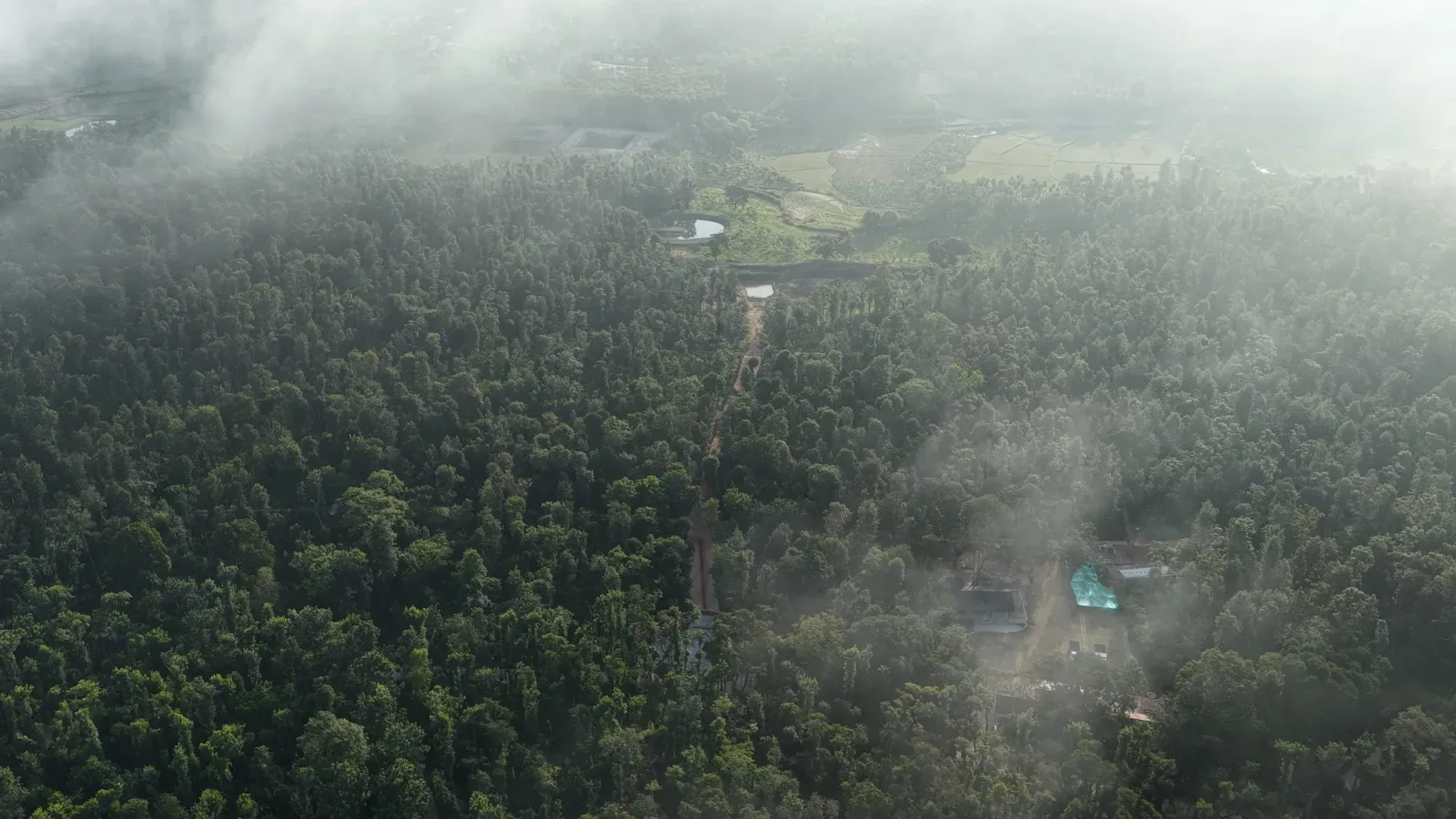
Tree cover plays a major role in sustainability.
Trees:
- Reduce temperature
- Improve moisture retention
- Add organic matter
- Support biodiversity
A farm with balanced vegetation is naturally more stable.
Biodiversity Creates Balance
In a healthy farm ecosystem, different forms of life support each other.
This includes:
- Birds
- Pollinators
- Soil organisms
- Beneficial insects
When biodiversity is present, problems like pests and soil degradation reduce naturally.
Reduced Dependency Over Time
A self-sustaining farm improves gradually.
In the early stages:
- More effort is needed
- Systems are still developing
Over time:
- Soil becomes richer
- Water systems stabilise
- Maintenance needs reduce
The farm becomes more independent.
Not About Maximum Output, But Stability
Self-sustaining farms don’t always focus on maximum short-term yield.
Instead, they prioritise:
- Long-term land health
- Consistent performance
- Environmental balance
This approach protects the land for future use.
Where This Works Best
Self-sustaining systems work well in:
- Plantation-based farmland
- Agroforestry setups
- Managed farmland projects
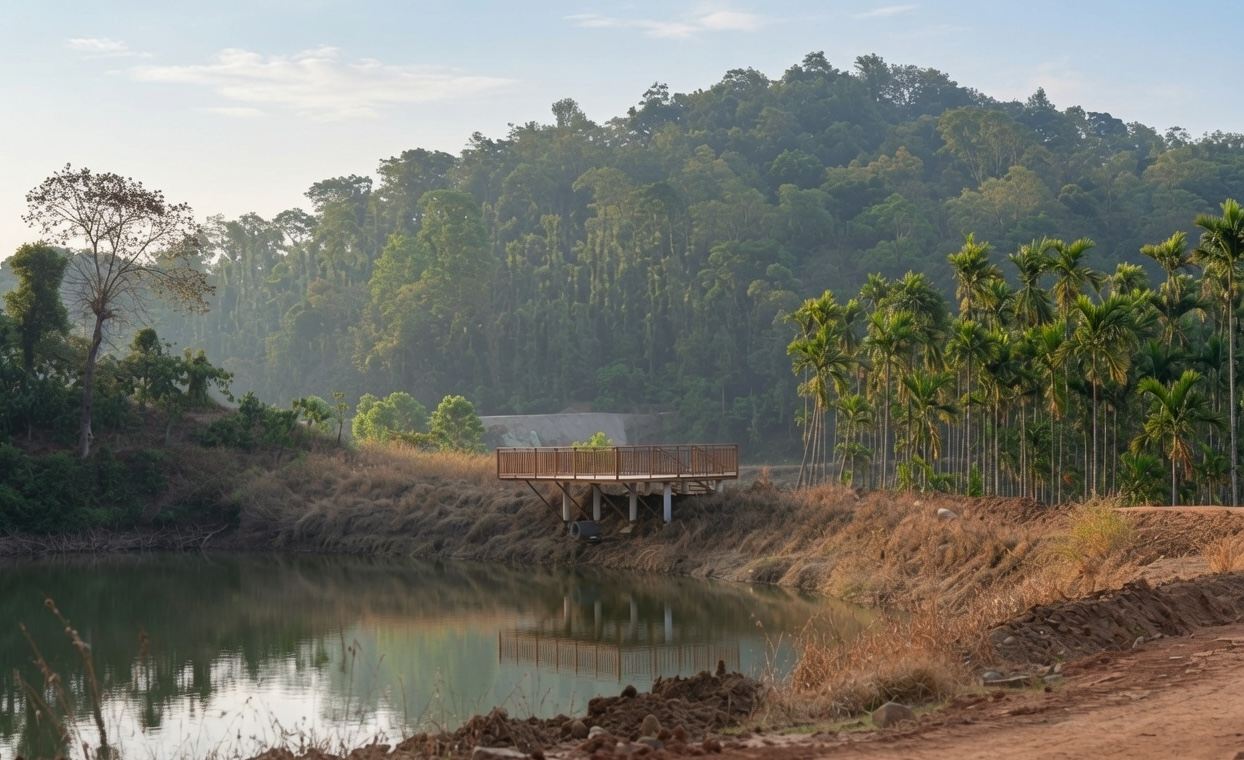
- Ecologically stable regions like the Western Ghats
These environments support natural processes more effectively.
Why It Matters Today
With rising concerns about water, soil degradation, and climate change, sustainability is no longer optional.
A self-sustaining farm:
- Reduces long-term risk
- Improves land resilience
- Supports environmental balance
It’s a practical approach to future-ready land use.
Summary
A self-sustaining farm is not about eliminating effort but about reducing dependency over time. By focusing on soil health, water management, tree cover, and biodiversity, farmland can gradually become more stable and resilient. In the long run, this approach protects both the land and its value.