




Why to Buy Farmland Near Bangalore
Posted by Delight Eco Farms on ·3 min read

Farmland near Bangalore offers long-term value, environmental stability, and proximity to the city, making it a practical choice for sustainable and future-focused land ownership.
Buying farmland near Bangalore has become an increasingly considered option for those looking at long-term land ownership beyond city real estate. As Bangalore continues to expand, surrounding agricultural regions offer a different kind of value—one based on land longevity, environmental stability, and sustainable use rather than immediate urban development.
This blog explains why farmland near Bangalore remains relevant and practical, especially from a long-term perspective.
Proximity to a Major Urban Centre
Bangalore is one of India’s fastest-growing metropolitan cities. Farmland located around the city benefits from proximity to a strong economic hub while remaining outside dense urban congestion.
This balance allows landowners to access the city when needed while maintaining agricultural land in relatively calm, low-density regions.
Long-Term Land Value Stability
Farmland is a finite resource. As cities expand, available agricultural land reduces over time. This natural scarcity supports long-term land value stability.
Unlike constructed assets, farmland does not depreciate due to age. With proper care, soil quality and land usability can improve over time, strengthening long-term relevance.
Environmental and Climatic Advantages
Regions around Bangalore include diverse agricultural zones with varying soil types, rainfall patterns, and microclimates. Farmland in environmentally stable regions benefits from:
- Better air quality
- Lower noise levels
- Natural temperature regulation
- Open landscapes
These environmental factors support sustainable land use and long-term agricultural health.
Suitable for Multiple Agricultural Uses
Farmland near Bangalore supports a range of agricultural activities depending on location:
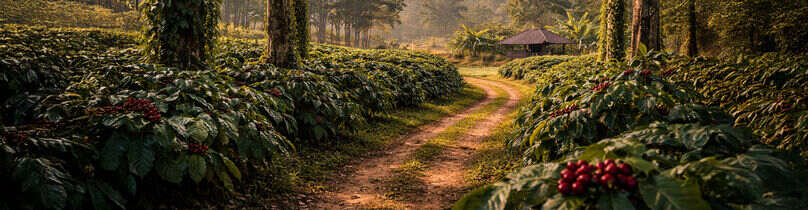
- Plantation-based farming
- Agroforestry systems
- Fruit orchards
- Dryland or semi-irrigated crops
This flexibility allows land use to adapt over time based on environmental conditions and regulations.
Increasing Focus on Sustainable Living
Awareness around sustainability, food security, and environmental balance has increased significantly. Farmland plays a key role in:
- Food production
- Water conservation
- Soil regeneration
- Ecological balance
Buying farmland aligns with long-term sustainability goals rather than short-term consumption patterns.
Better Control Compared to Urban Property
Urban properties often involve shared ownership structures, association rules, and fixed usage limitations.
Farmland ownership offers:
- Greater control over land use (within regulations)
- Fewer recurring association costs
- Flexibility in agricultural planning
This autonomy is a major reason farmland continues to attract long-term interest.
Connectivity Without Over-Urbanization
Many farmland regions around Bangalore are well connected by highways and arterial roads. However, unlike city layouts, they remain free from heavy traffic and dense infrastructure.
This balance supports accessibility without compromising the agricultural nature of the land.
Long-Term Asset Perspective
Farmland is best viewed as a long-term asset rather than a short-term investment. Its value lies in permanence, environmental relevance, and usability across generations.
As urban pressure increases, well-located farmland around Bangalore retains its importance as a productive and sustainable land resource.
Summary
Buying farmland near Bangalore offers proximity to a major city while preserving agricultural value, environmental stability, and long-term land relevance. With careful selection based on location, water availability, soil quality, and legal clarity, farmland remains a practical and resilient form of land ownership. Its long-term advantages make it an option worth considering for those focused on sustainability and asset longevity.