


Agroforestry Explained: Mixing Trees, Crops, and Sustainability
Posted by Delight Eco Farms on ·3 min read

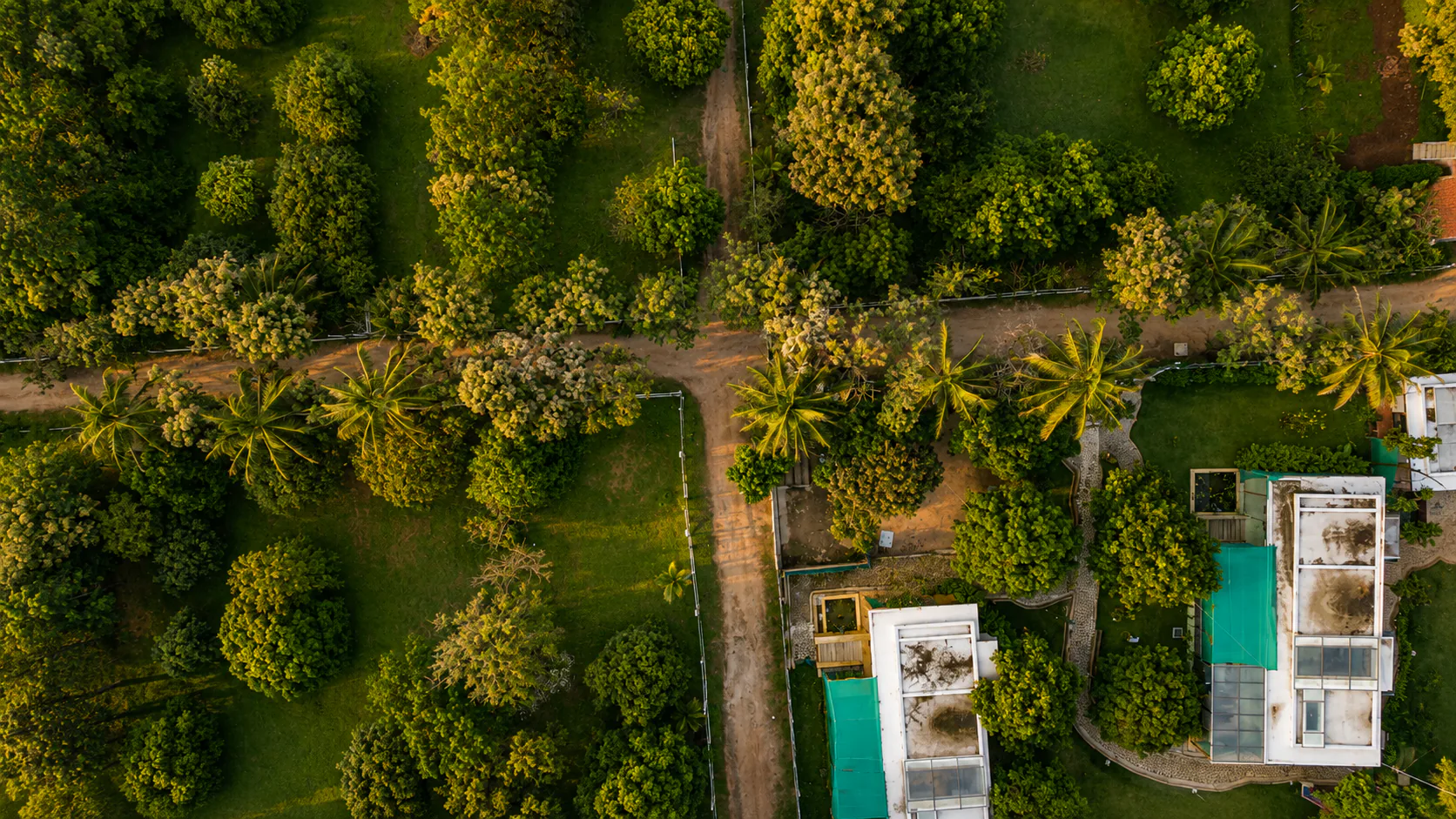
Agroforestry combines trees and crops on the same land to improve soil health, water retention, and biodiversity. It creates a more sustainable, resilient farming system with multiple long-term outputs.
Not all farmland has to be just crops. And not all land with trees has to be a forest. There’s a middle ground that combines both; it’s called agroforestry.
In simple terms, agroforestry is the practice of growing trees and crops together on the same land. It’s not a new idea, but it’s becoming more relevant today as people look for ways to make farmland more sustainable and resilient.
What Is Agroforestry?
Agroforestry is a land-use system where:
- Trees are grown alongside crops or plantations
- Different plant layers exist on the same land
- The goal is both productivity and ecological balance
Instead of separating farming and forestry, agroforestry blends them into one system.
How It Works in Real Farmland
In practical terms, agroforestry can look like the following:
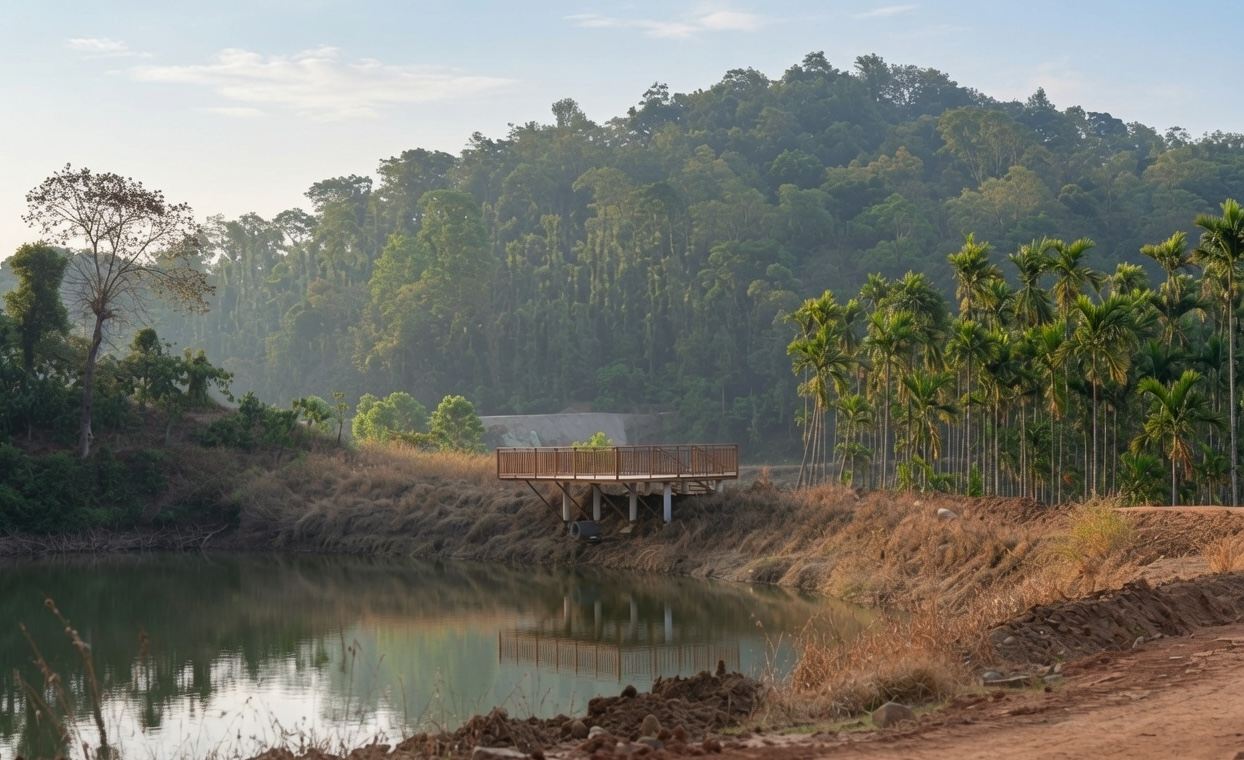
- Coffee plants growing under shade trees
- Pepper vines climbing on taller trees
- Fruit trees mixed with ground crops
- Native trees planted along farm boundaries
Each layer plays a role, and together they create a more balanced ecosystem.
Why Agroforestry Is Gaining Attention
Modern farming often focuses on single crops. While this can be efficient in the short term, it can also lead to soil degradation and higher dependency on external inputs.
Agroforestry offers a different approach by the following:
- Improving soil health naturally
- Supporting biodiversity
- Reducing environmental stress
- Making land more resilient over time
It’s not about replacing farming — it’s about improving how land functions.
Benefits of Agroforestry in Farmland
1. Better Soil Health
Trees add organic matter through leaf fall, which improves soil fertility and structure.
2. Natural Shade and Temperature Control
Tree cover protects crops from extreme heat and reduces moisture loss.
3. Improved Water Management
Roots help water seep deeper into the soil, improving retention and reducing runoff.
4. Biodiversity Support
A mix of plants attracts birds, pollinators, and beneficial insects that help maintain balance.
5. Multiple Outputs from the Same Land
Instead of relying on a single crop, agroforestry allows the following:
- Timber
- Fruits
- Spices
- Plantation crops
This diversification strengthens long-term land value.
Agroforestry vs Traditional Farming
Traditional farming often separates trees and crops. Agroforestry combines them.
The difference is simple:
- Traditional farming → Focus on one type of crop
- Agroforestry → Focus on system balance + productivity
It’s a shift from single-output thinking to multi-layered land use.
Is Agroforestry Suitable for Every Farm?
Not necessarily. It depends on:
- Land size and layout
- Crop type
- Water availability
- Long-term goals
But in many cases, even a small integration of trees can improve land performance significantly.
Why It Matters Today
With changing climate conditions and increasing pressure on land, farming methods need to adapt.
Agroforestry offers:
- Long-term sustainability
- Reduced environmental impact
- Better land resilience
It aligns farmland with how natural ecosystems already function.
Summary
Agroforestry is the practice of combining trees and crops to create a balanced and sustainable farming system. By improving soil health, water retention, and biodiversity, it helps farmland become more resilient over time. Instead of choosing between farming and forestry, agroforestry brings them together to create long-term value.