

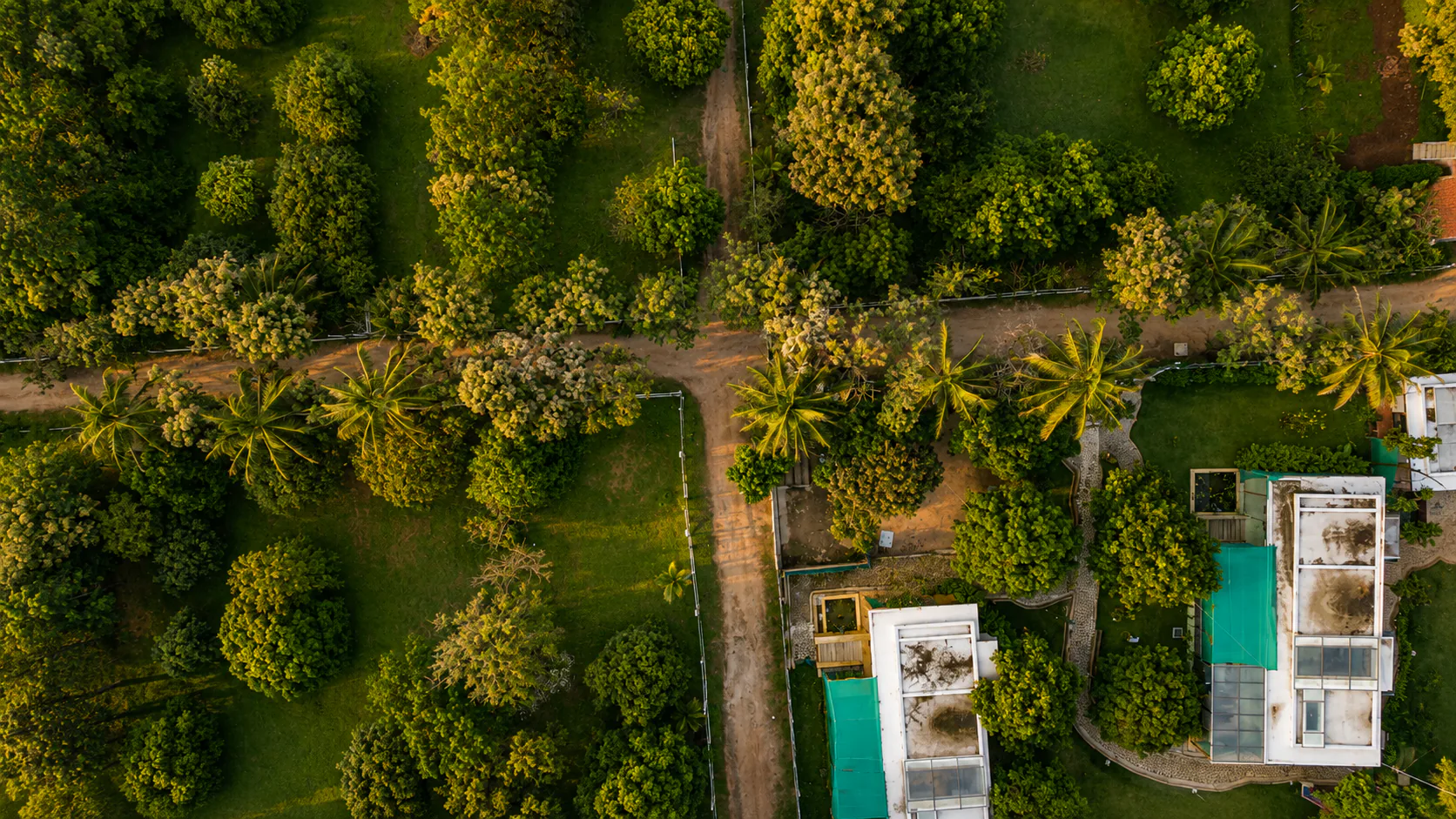

Why Tree-Based Farming Is the Future of Land Investment
Posted by Delight Eco Farms on ·3 min read

Explore why tree-based farming is the future of land investment. Learn how it offers long-term stability, improves soil health, and supports sustainable farmland development.
When people think about farmland, they often imagine seasonal crops that are planted and harvested within a few months. But there’s another approach that is gaining attention — tree-based farming.
This method focuses on growing long-term crops like coffee, pepper, fruit trees, or timber species. And today, it’s not just farmers who are interested in it. Even land buyers and investors are starting to see its long-term potential.
What Is Tree-Based Farming?
Tree-based farming involves cultivating crops that grow over several years instead of a single season.
Examples include:
- Coffee plantations
- Pepper vines supported by trees
- Fruit orchards
- Timber plantations
Unlike short-term crops, these systems are built for the long run.
Why It’s Different from Traditional Farming
Traditional farming usually depends on:
- Seasonal planting cycles
- Frequent replanting
- Regular input usage
Tree-based farming works differently.
Once established:
- Trees continue to grow year after year
- Maintenance becomes more structured
- The system becomes more stable
It’s less about repetition and more about continuity.
Long-Term Stability
One of the biggest advantages of tree-based farming is stability.
Trees:
- Stay rooted for years
- Improve soil over time
- Create a consistent structure on the land
This makes the farmland less vulnerable to short-term changes.
Better Land Utilisation
Tree-based systems often allow multiple layers of growth.
For example:
- Shade trees above
- Coffee plants below
- Pepper vines growing vertically
This multi-layered approach makes better use of space and resources.
Natural Improvement of Soil and Environment
Trees contribute to the land in ways that go beyond production.
They:
- Add organic matter to soil
- Improve moisture retention
- Support biodiversity
- Reduce erosion
Over time, the land becomes healthier and more balanced.
Reduced Dependency Over Time
In the early stages, plantations require effort and care.
But as trees mature:
- Systems stabilise
- Maintenance becomes predictable
- Dependency on external inputs reduces
This gradual shift supports long-term sustainability.
Alignment with Modern Land Trends
Today, land use is not just about output—it’s about sustainability and long-term relevance.
Tree-based farming aligns with:
- Environmental awareness
- Sustainable land practices
- Long-term planning
This makes it more relevant in current and future land use trends.
Why It Appeals to Land Buyers
For land buyers and investors, tree-based farming offers:
- Long-term land structure
- Sustainable growth model
- Reduced volatility compared to seasonal farming
It’s not about quick returns—it’s about building value over time.
Where It Works Best
Tree-based farming performs well in:
- Ecologically stable regions
- Areas with good rainfall
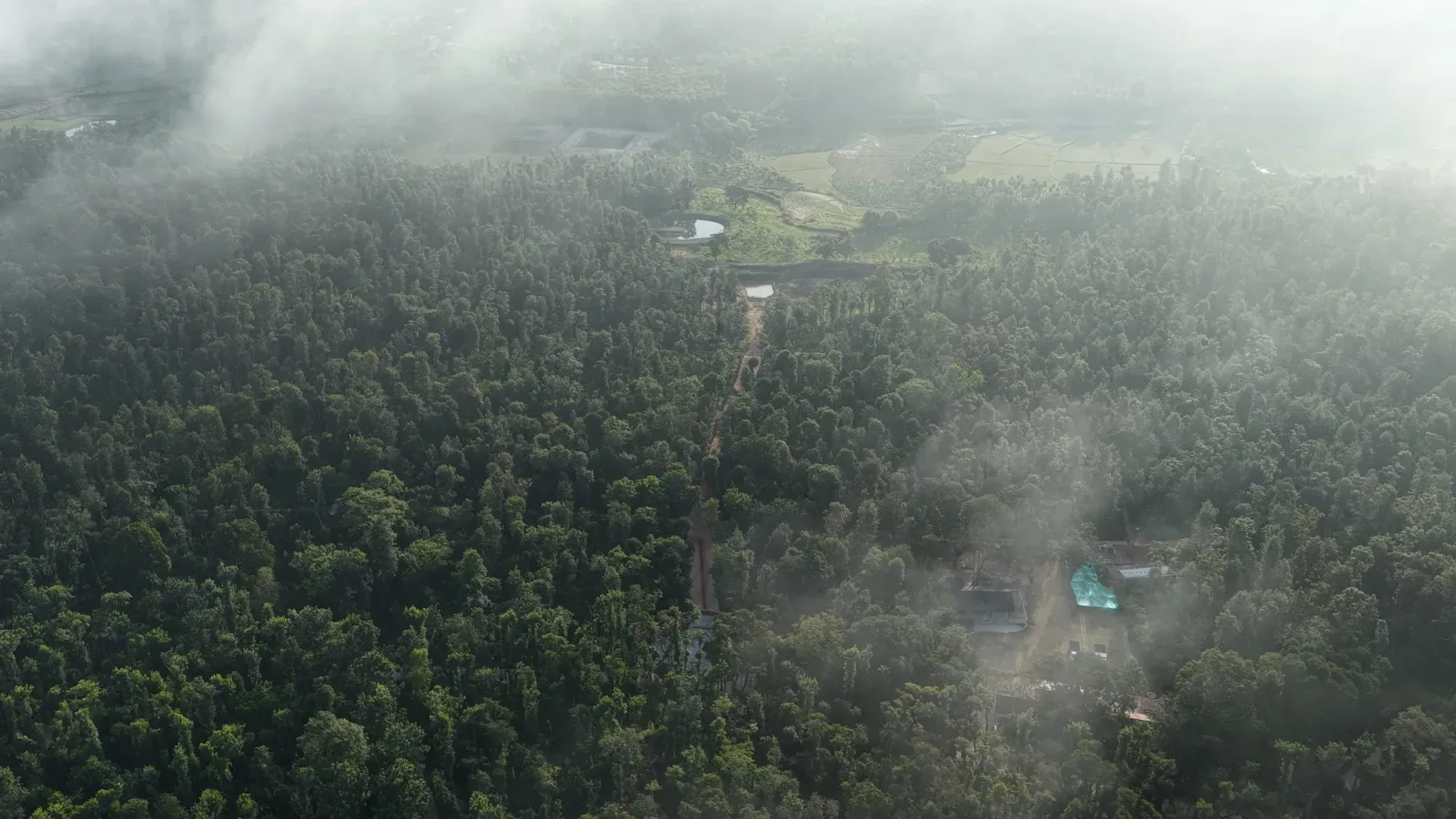
- Plantation-friendly environments (like the Western Ghats)
These conditions support healthy tree growth and long-term success.
Summary
Tree-based farming focuses on long-term crops that grow and strengthen the land over time. Unlike seasonal farming, it creates stability, improves soil health, and supports sustainable land use. As awareness around environmental balance and long-term value grows, tree-based farming is becoming an important direction for future farmland development.