


The Rise of Farmland as a Second-Home Alternative
Posted by Delight Eco Farms on ·1 min read
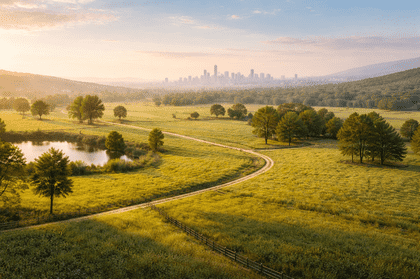
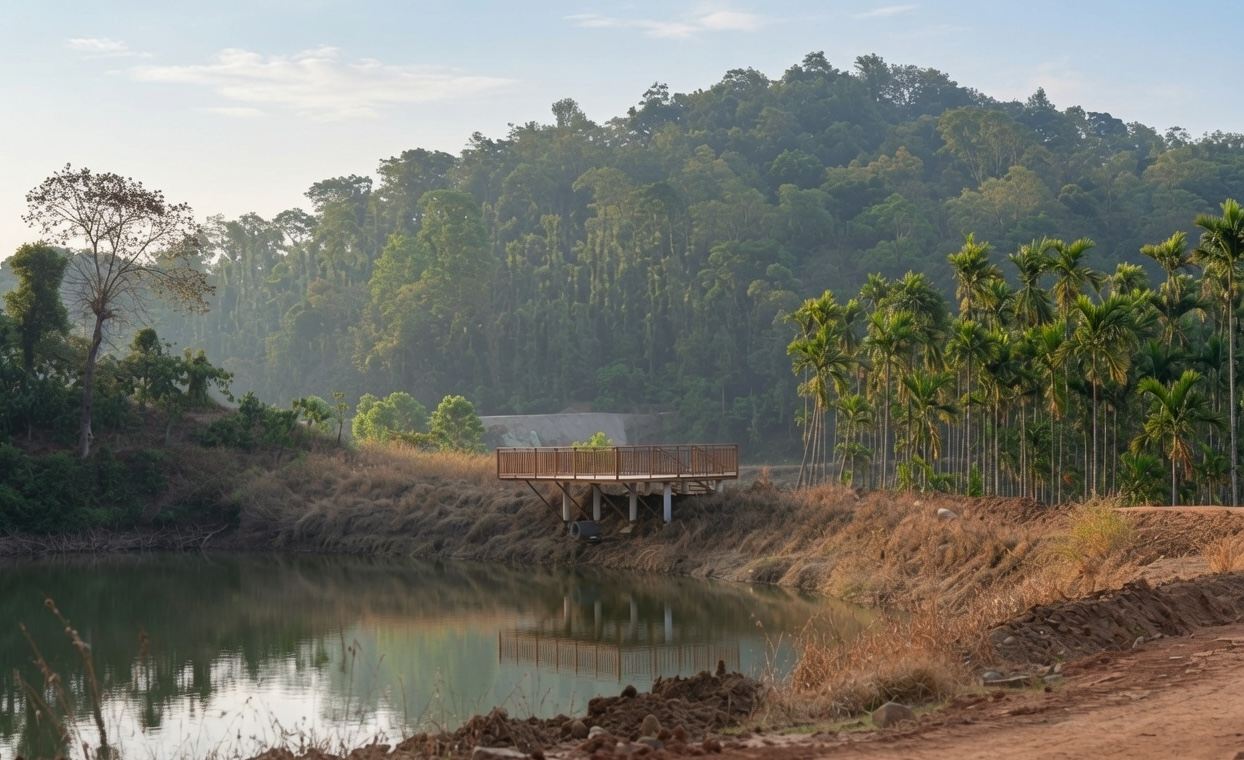
A calm, open farmland landscape that contrasts city congestion—highlighting space, flexibility, and long-term value as a modern alternative to traditional second homes.
As urban living becomes increasingly congested and fast-paced, buyers are exploring alternatives to conventional second homes. Farmland is emerging as a preferred choice for those seeking space, privacy, and long-term value—without the rigidity of built structures.
Why Buyers Are Moving Away from Traditional Second Homes
Apartments and villas often come with high maintenance costs, limited flexibility, and depreciation over time. Farmland, by contrast, offers:
- Open land without construction constraints
- Minimal upkeep requirements
- Freedom to use the land gradually
- Long-term appreciation driven by land scarcity
Farmland as a Flexible Lifestyle Asset
Unlike a fixed second home, farmland allows owners to:
- Visit on weekends or holidays
- Use the land seasonally
- Develop the property at their own pace
- Preserve the land for future generations
This flexibility makes farmland especially appealing to professionals and families.
Long-Term Value Advantage
Farmland appreciates due to finite supply and constant demand for agricultural land. As urban boundaries expand, farmland near growth corridors often sees steady value appreciation, making it both a lifestyle and an investment asset.
Conclusion
Farmland is redefining the concept of a second home—offering openness, peace, and financial prudence in one enduring asset.