


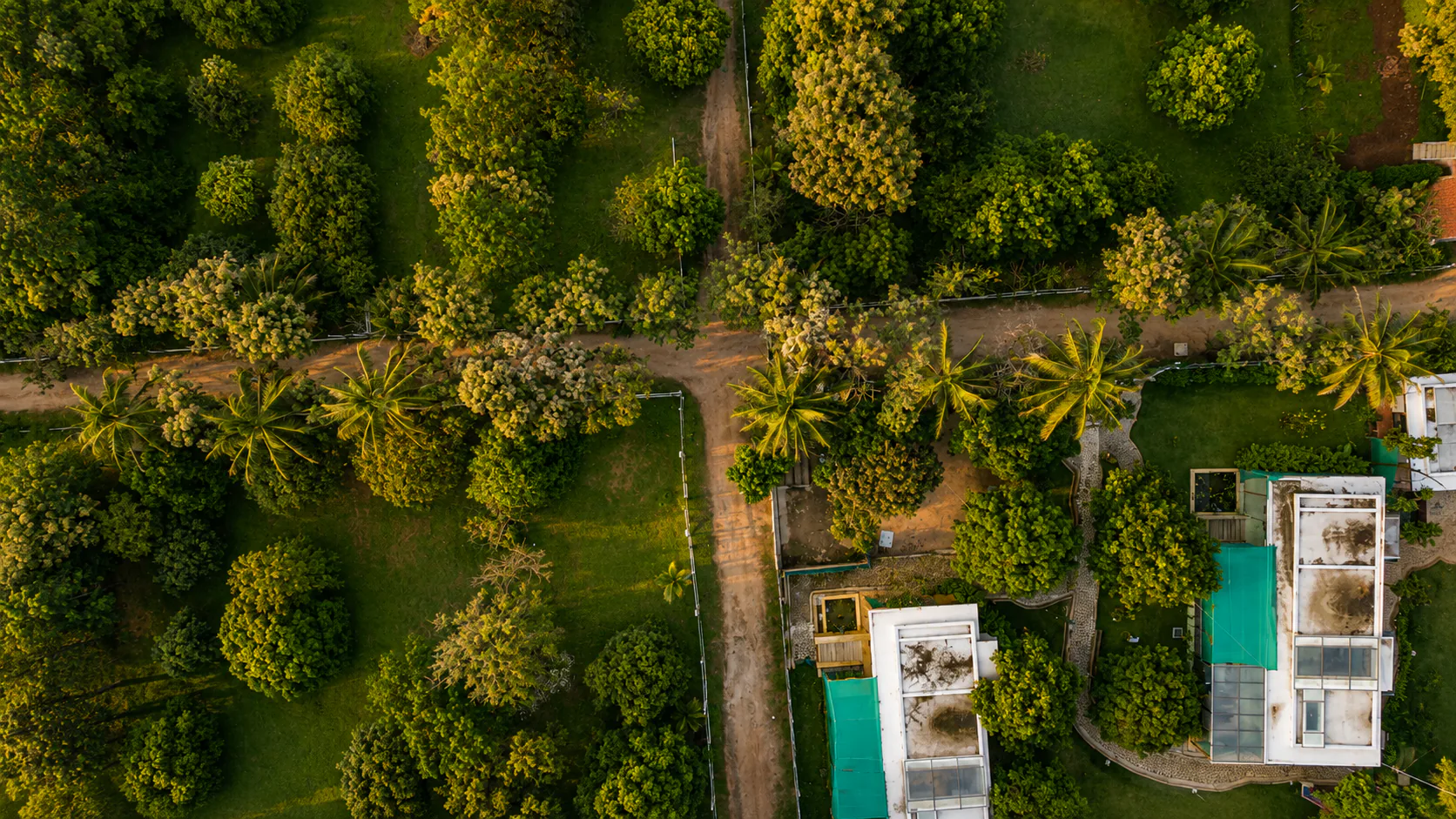

Importance of Soil Health in Long-Term Farmland Value
Posted by Delight Eco Farms on ·3 min read

Soil health is a key factor in determining long-term farmland value. Healthy soil supports consistent productivity, efficient water retention, climate resilience, and lower maintenance costs. While location matters, soil quality ultimately defines how usable, sustainable, and valuable farmland remains over time.
When evaluating farmland, many people focus on location, size, or nearby development. While these factors matter, soil health is one of the most important determinants of long-term farmland value. Healthy soil directly influences productivity, sustainability, maintenance cost, and the future usability of land.
Farmland with strong soil health improves with time, while land with poor soil gradually loses its potential.
Soil Health Defines Farmland Usability
Soil is not just a surface layer; it is a living system that supports plant growth and water retention. Healthy soil allows farmland to remain usable across seasons and over decades.
Good soil supports:
- Strong root systems
- Balanced moisture retention
- Natural nutrient availability
- Reduced erosion
Without healthy soil, farmland struggles to remain productive regardless of location.
Long-Term Productivity Depends on Soil Quality
Farmland value is closely linked to how well the land can support agriculture over time.
Healthy soil:
- Supports consistent crop or plantation growth
- Reduces dependency on chemical fertilisers
- Maintains yield stability across seasons
Poor soil leads to declining productivity and higher operational effort, which affects long-term value.
Soil Health and Water Efficiency
Soil quality plays a major role in how water behaves on farmland.
Healthy soil:
- Absorbs rainwater effectively
- Retains moisture for longer periods
- Supports groundwater recharge
- Reduces surface runoff
Land with poor soil structure wastes water even in regions with good rainfall, lowering its long-term potential.
Lower Maintenance Costs Over Time
Farmland with good soil health requires less intervention.
Benefits include:
- Reduced fertiliser dependency
- Fewer corrective treatments
- Better plant resistance to stress and disease
Over time, lower maintenance costs make healthy farmland more sustainable and valuable.
Climate Resilience and Soil Strength
As climate patterns become unpredictable, soil health becomes even more important.
Healthy soil helps farmland:
- Withstand dry spells
- Handle heavy rainfall without erosion
- Support plant resilience during temperature variations
This resilience adds to the long-term reliability of the land.
Soil Health and Plantation Farming
Plantation-based farming depends heavily on soil stability.
Healthy soil ensures:
- Long-term tree survival
- Consistent nutrient cycling
- Reduced plant stress
Farmland with strong soil health is more suitable for long-term plantation use than land focused only on short-term output.
Impact on Long-Term Land Value
Farmland value is not determined only by market trends. It is influenced by how well the land can be used and sustained over time.
Healthy soil:
- Preserves land usability
- Attracts long-term interest
- Reduces rehabilitation effort
- Maintains agricultural relevance
Land with degraded soil often requires costly restoration, which affects perceived value.
Evaluating Soil Health Before Buying Farmland
Before purchasing farmland, soil evaluation is essential.
Key indicators include:
- Soil texture and structure
- Drainage behaviour
- Existing vegetation quality
- Organic matter presence
- Signs of erosion or compaction
A soil test offers insight into the land’s long-term potential.
Summary
Soil health plays a critical role in determining long-term farmland value. Healthy soil supports productivity, water efficiency, climate resilience, and lower maintenance costs. While location and size are important, soil quality ultimately defines how valuable farmland remains over time. Prioritising soil health ensures that farmland continues to be productive, sustainable, and relevant for years to come.