

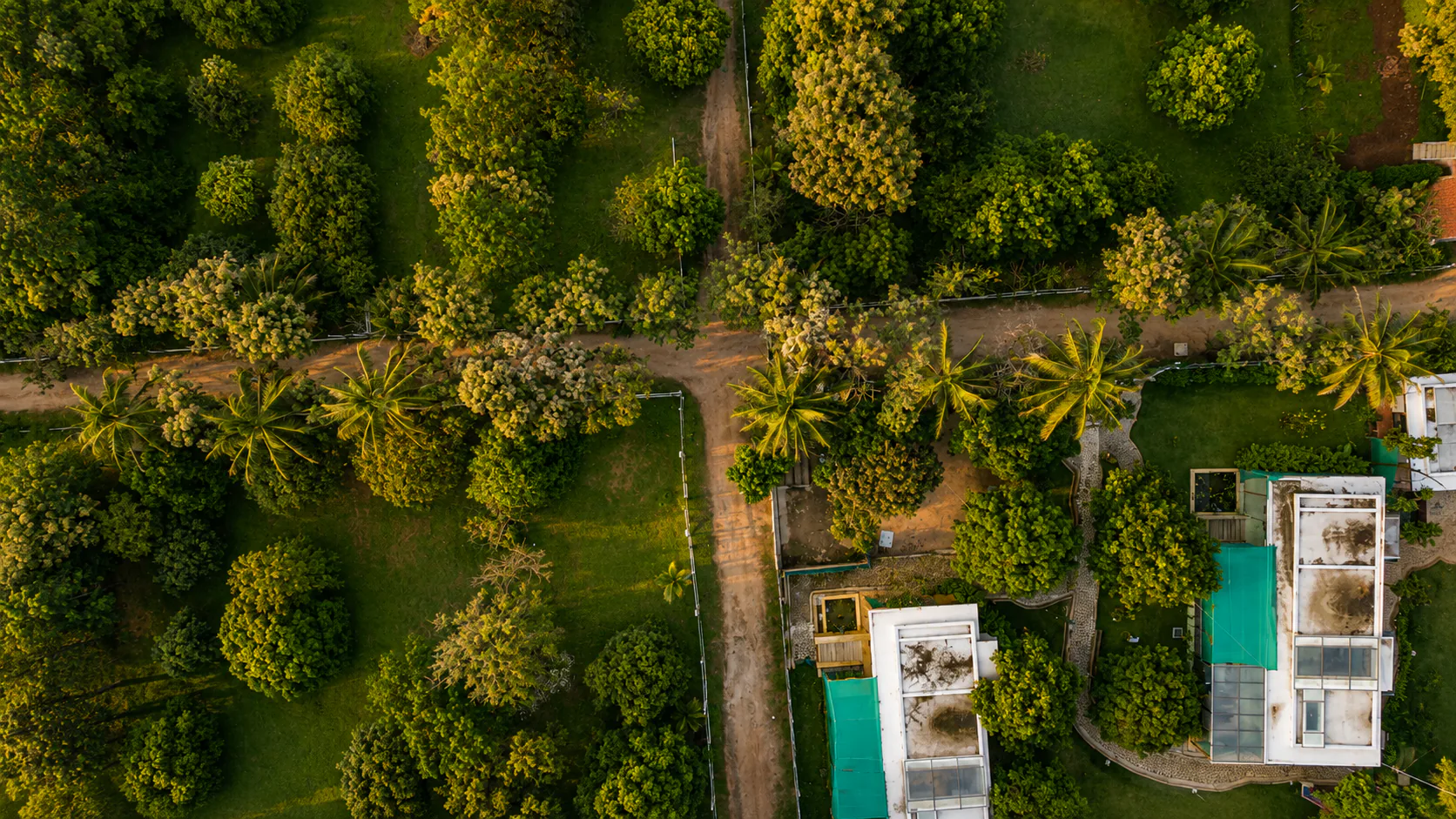

How Farmland Supports a Slow, Sustainable Lifestyle
Posted by Delight Eco Farms on ·2 min read

Farmland supports a slow, sustainable lifestyle by offering open space, natural balance, mindful resource use, and mental clarity. It encourages healthier habits, reduced stress, and long-term environmental responsibility—without disconnecting from modern life.
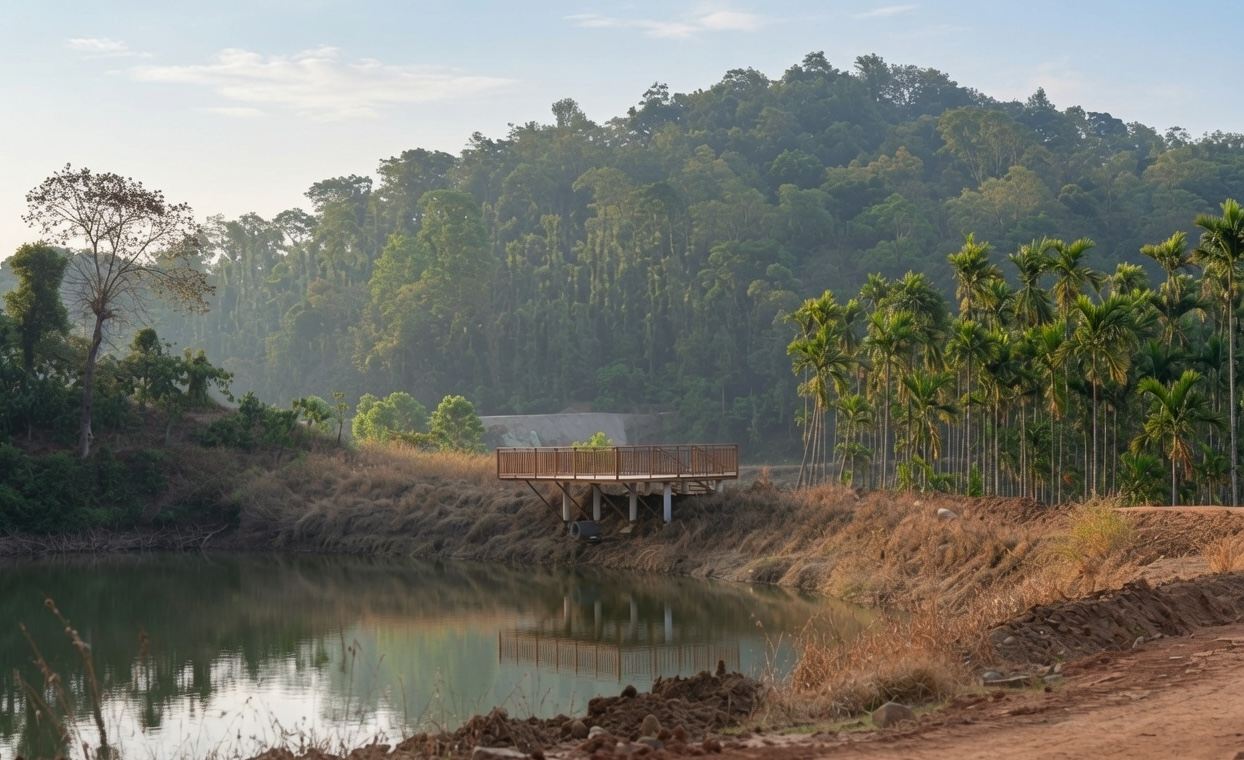
Slower Living Begins with Open Space
Farmland offers what urban environments cannot: space to breathe.
Open landscapes reduce sensory overload and allow the mind to slow down naturally. Without constant traffic noise, screens, and artificial lighting, daily life becomes calmer and more intentional.
Slower living begins when surroundings stop demanding constant attention.
Connection with Natural Cycles
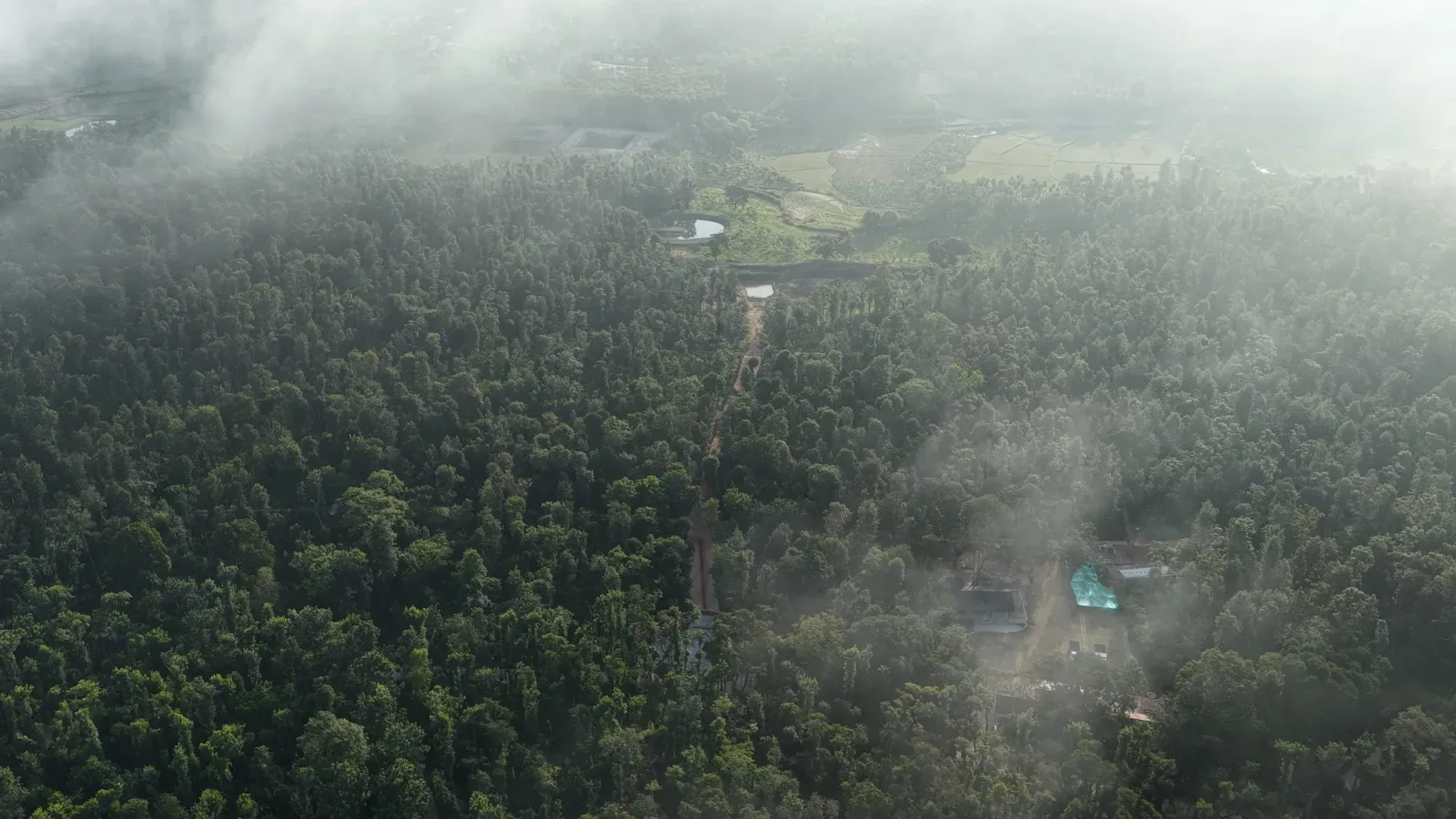
Farmland reconnects people with natural rhythms — sunrise and sunset, seasons, rainfall, and growth cycles.
Living or spending time on farmland encourages:
- Awareness of seasonal change
- Patience and long-term thinking
- Reduced dependence on artificial schedules
This connection promotes mindfulness and a grounded lifestyle.
Sustainable Use of Resources
A slow lifestyle is closely linked to sustainability.
Farmland supports:
- Responsible water usage
- Soil conservation
- Tree planting and green cover
- Reduced energy consumption
Unlike urban living, where resources are often consumed without awareness, farmland encourages conscious use and regeneration.
Healthier Daily Habits
Time spent on farmland naturally leads to healthier routines.
Common lifestyle shifts include:
- More physical movement through walking and light farm activity
- Exposure to fresh air and sunlight
- Reduced screen time
- Improved sleep patterns
These changes support both physical and mental well-being.
Less Consumption, More Value
Farmland living promotes quality over quantity.
People often experience:
- Less dependence on constant shopping
- Reduced need for excess possessions
- Greater appreciation for essentials
This mindset aligns with sustainable living and long-term satisfaction.
Mental Clarity and Reduced Stress
Natural surroundings help lower stress levels.
Farmland environments offer:
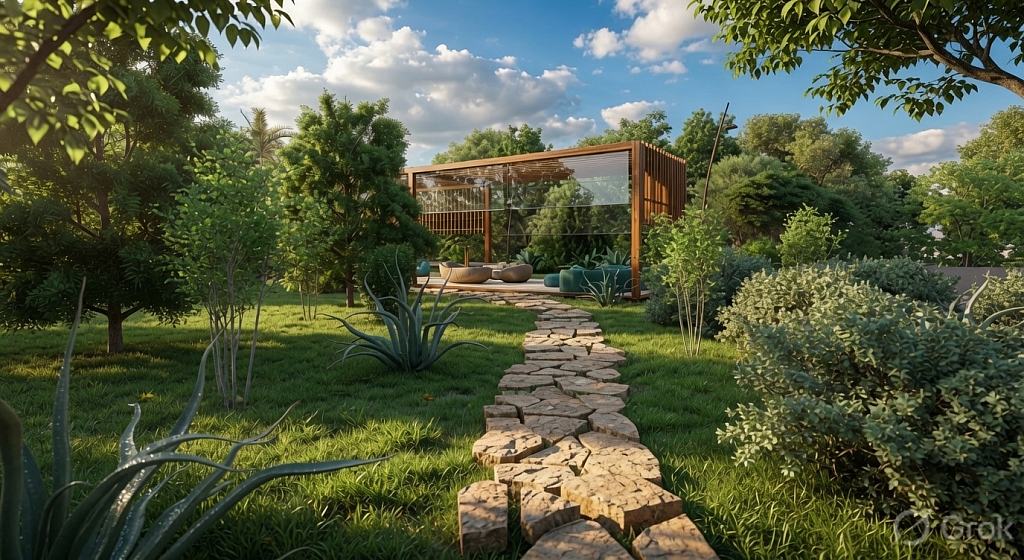
- Quiet spaces for reflection
- Distance from urban pressure
- A sense of control and ownership
Mental clarity improves when life slows down and distractions reduce.
Sustainability for the Future
A slow lifestyle is not only personal — it is future-focused.
Farmland supports:
- Environmental preservation
- Food security
- Ecological balance
- Responsible land use
Living sustainably today helps protect resources for future generations.
Flexibility Without Full-Time Commitment
A slow lifestyle does not require leaving the city entirely.
Many people enjoy:
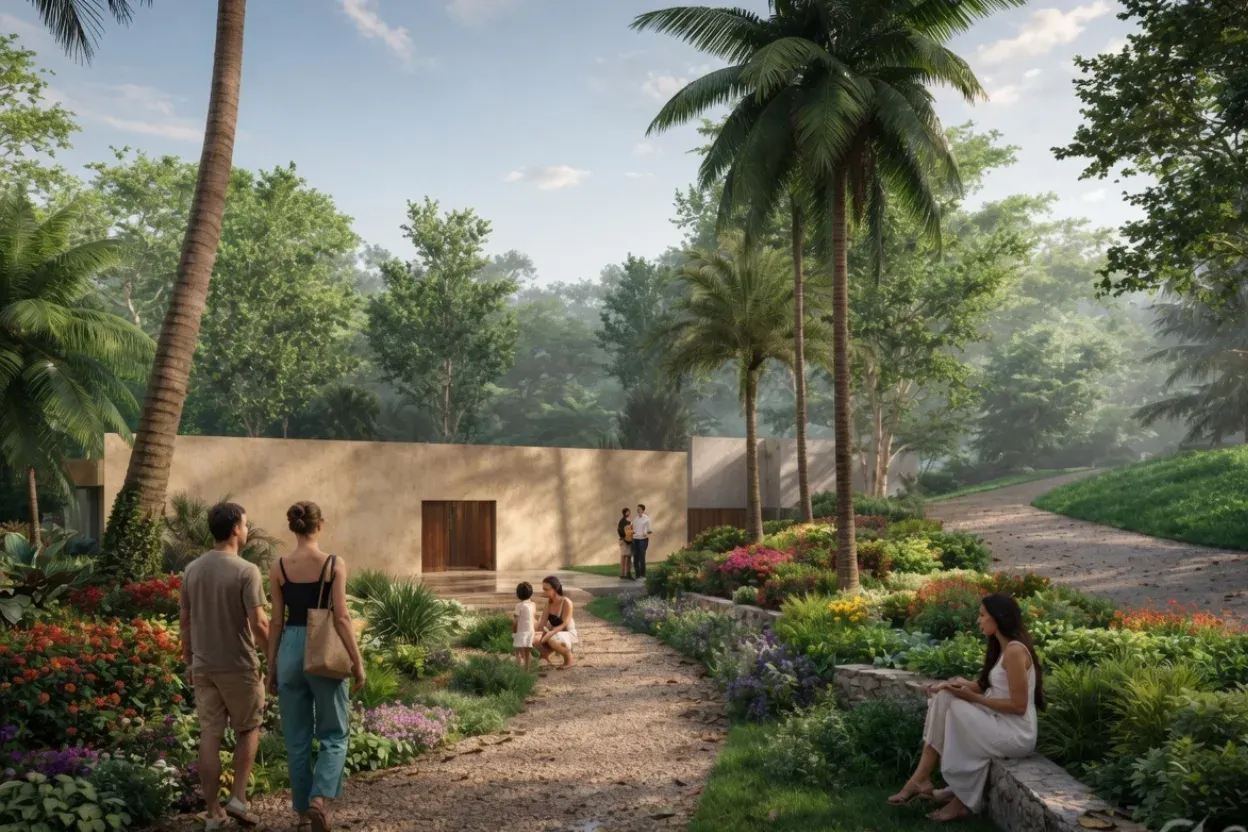
- Weekend farm stays
- Periodic visits
- Managed farmland models
This flexibility allows balance between modern responsibilities and sustainable living.
Summary
Farmland supports a slow, sustainable lifestyle by offering space, natural balance, conscious resource use, and mental clarity. It encourages healthier habits, reduces stress, and promotes long-term environmental responsibility. In a fast-moving world, farmland provides an opportunity to live with intention, sustainability, and balance — without rushing against time.