

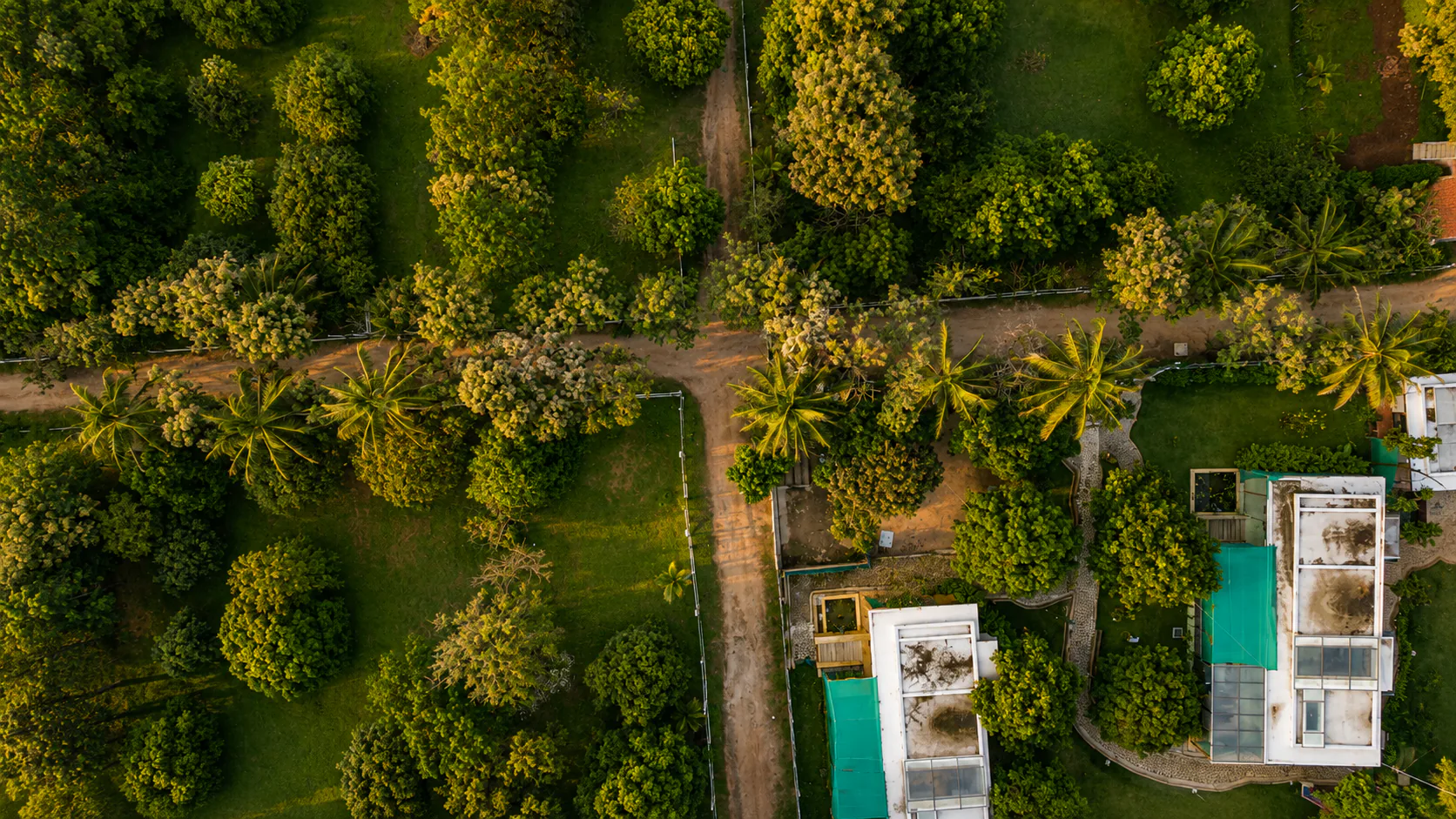

From Empty Land to Living Ecosystem: How Farmland Evolves Over Time
Posted by Delight Eco Farms on ·3 min read

Farmland evolves from open soil into a living ecosystem through time, care, and natural processes. With improving soil health, balanced water systems, growing vegetation, and returning biodiversity, land transforms steadily into a self-sustaining and resilient landscape that gains long-term value and ecological strength.
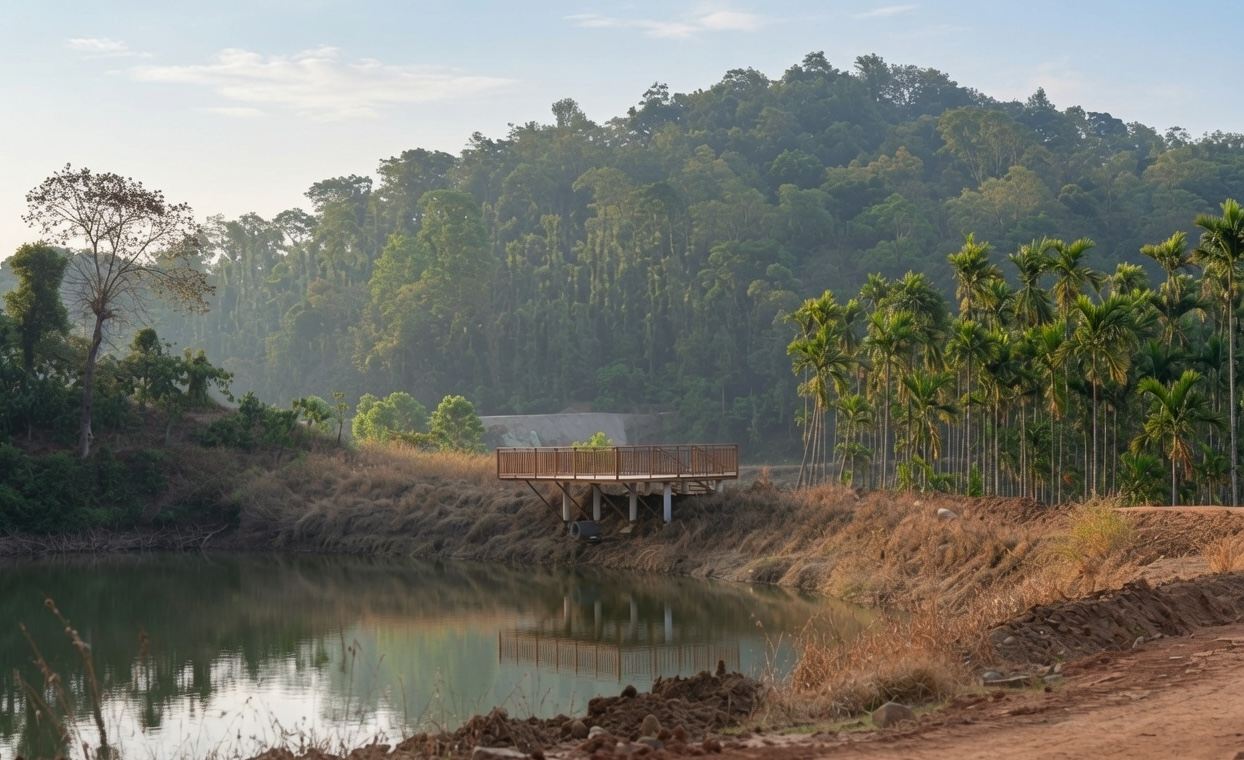
At first glance, farmland can look like empty land. Open soil, scattered vegetation, wide space. But farmland is never truly empty. It is the beginning of something that evolves slowly and steadily. Over time, with care and planning, it transforms from bare land into a living ecosystem.
Understanding this evolution changes how we see agricultural land.
The Beginning: Bare but Full of Potential
Every farmland journey starts with potential.
The land may initially show:
- Open soil patches
- Limited tree cover
- Basic natural vegetation
But beneath the surface, soil organisms, nutrients, and natural processes are already at work. Even land that looks unused carries life waiting to develop.
Soil Awakens First
The first transformation happens underground.
When farmland receives:
- Organic input
- Controlled water flow
- Proper aeration
Microbial activity increases. Soil becomes richer, more structured, and better at holding moisture. Healthy soil is the foundation of a thriving ecosystem.
Vegetation Gradually Takes Shape
As soil health improves, vegetation becomes stronger and more stable.
Native plants begin to:
- Establish deeper roots
- Retain moisture
- Reduce erosion
Planned plantations or tree planting accelerate this process, creating structure within the landscape.
Water Systems Begin to Balance
Proper land care encourages natural water regulation.
Over time:
- Rainwater absorption improves
- Runoff reduces
- Groundwater recharge strengthens
Land that once depended heavily on external inputs starts supporting itself more efficiently.
Biodiversity Slowly Returns
A living ecosystem supports more than just crops.
As farmland stabilises:
- Birds begin nesting
- Pollinators increase
- Beneficial insects balance pest populations
Biodiversity is a sign that the land is functioning naturally rather than artificially.
Trees Change the Microclimate
As trees mature, they alter the environment around them.
Tree cover:
- Lowers surface temperature
- Reduces soil moisture loss
- Provides natural shade
- Improves air quality
The land gradually shifts from exposed ground to a balanced microclimate.
The Land Becomes Self-Sustaining
With consistent care, farmland begins to require fewer corrective measures.
Healthy ecosystems:
- Resist erosion
- Manage moisture efficiently
- Support plant growth naturally
This is when farmland transitions from being “maintained” to being “established”.
Long-Term Transformation
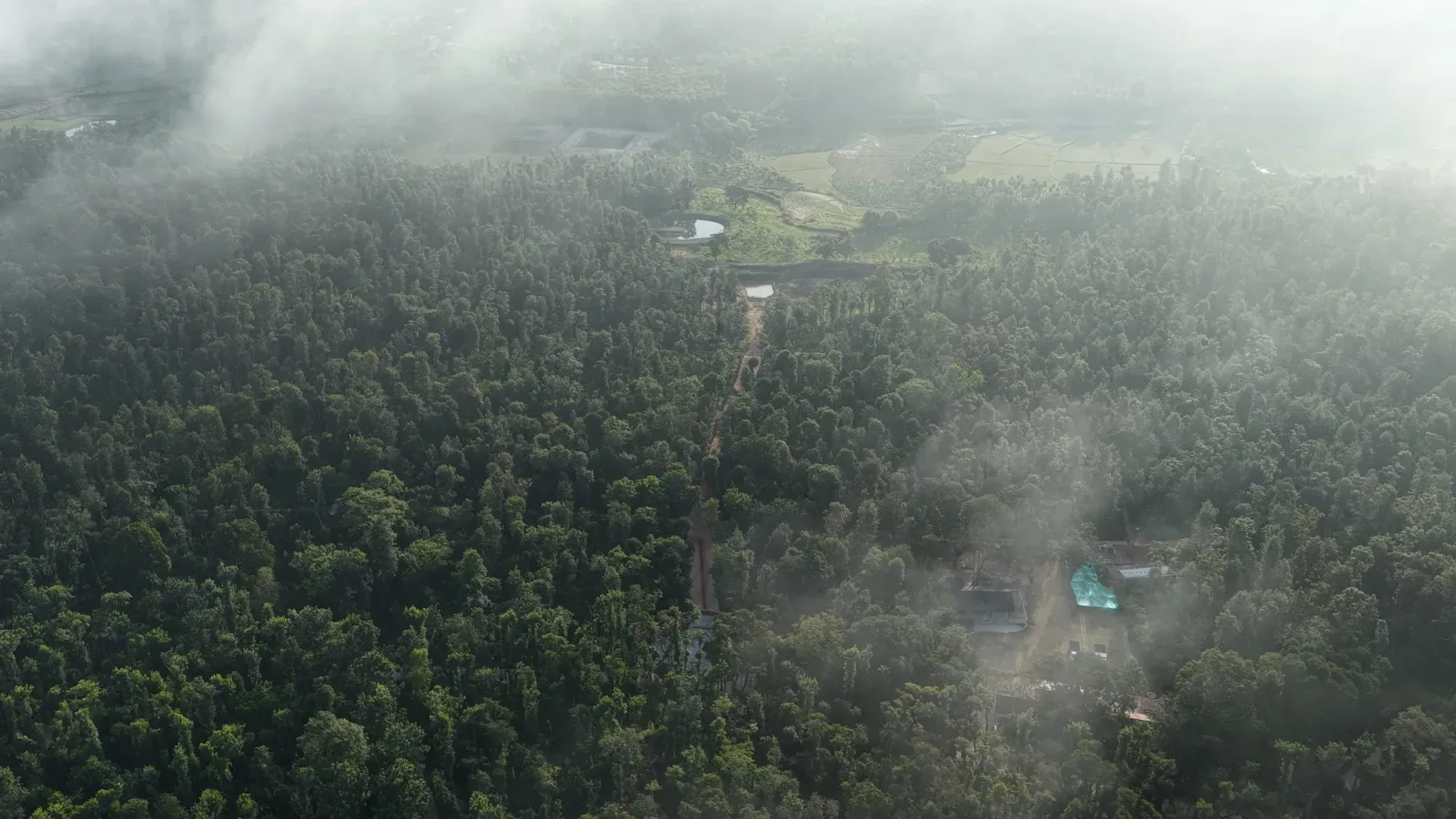
After several years, the difference becomes visible.
What once looked like empty land may now show:
- Structured plantations
- Balanced tree cover
- Stable soil health
- Natural ecological activity
The transformation is gradual but powerful.
Why This Evolution Matters
Farmland value is not only about location or size. It is about how the land develops over time.
Land that evolves into a living ecosystem:
- Retains long-term usability
- Supports sustainable agriculture
- Improves in resilience
- Gains ecological relevance
The true strength of farmland lies in its ability to grow healthier with time.
Summary
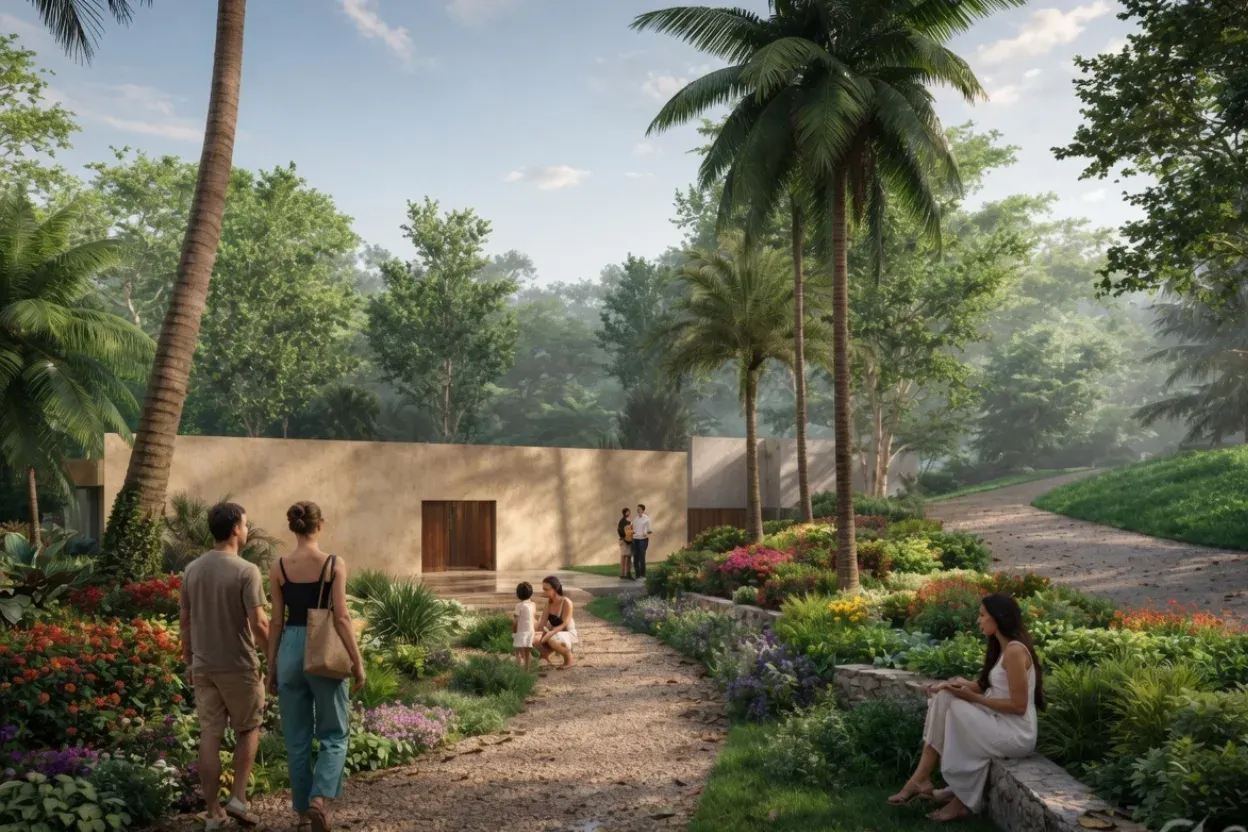
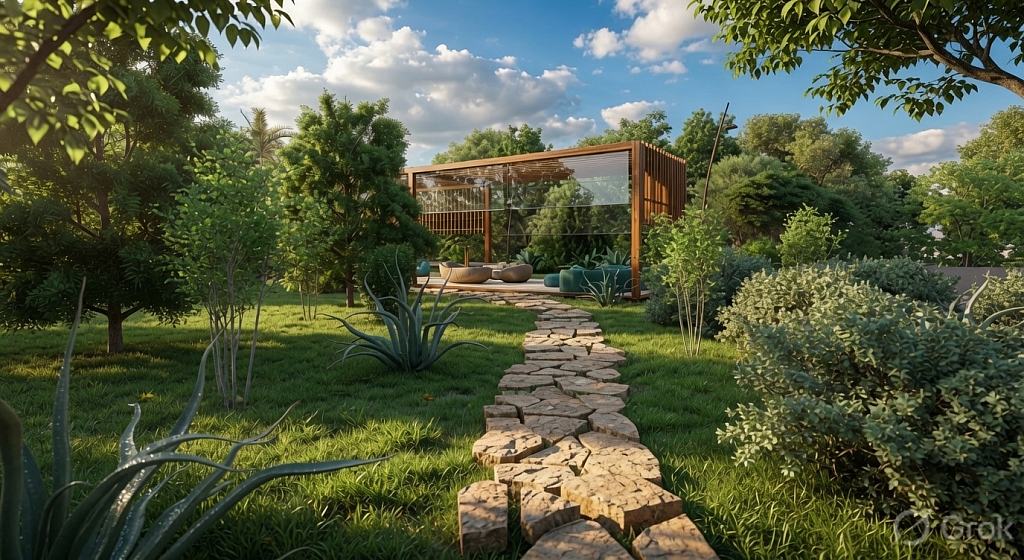
Farmland is not static land — it is a living system. With proper care, water management, and soil support, it transforms from open ground into a balanced ecosystem. This evolution strengthens land quality, environmental value, and long-term sustainability. When viewed through this lens, farmland becomes more than property — it becomes a developing landscape shaped by time and stewardship.